
15 Unforgettable Things to Do in China for Every Type of Traveler
15 Unforgettable Things to Do in China for Every Type of Traveler Key Takeaways Document type: Ranked decision guide covering 15 experiences in China, ordered by a transparent scor
Last verified: 19 October 2026. Policies, prices and operating details can change; confirm time-sensitive information with the linked official source before booking.
15 Unforgettable Things to Do in China for Every Type of Traveler
Key Takeaways
- Document type: Ranked decision guide covering 15 experiences in China, ordered by a transparent scoring method rather than popularity alone.
- Recommended audience: First-time international visitors to China, repeat travelers looking for depth, expats and students based in China, and culture or food enthusiasts planning around a specific interest.
- TOP pick: The Great Wall at Mutianyu, which delivers the strongest combination of global significance, reliable access and manageable logistics for almost any traveler profile.
- Selection advice: Choose one or two Tier 1 experiences per trip, then add Tier 2 or Tier 3 items based on region, season and appetite for planning complexity. Do not try to compress more than three regions into a two-week itinerary.
- Planning note: English-first resources such as HelloChina (hellochina.fans) are useful for visa rules, itineraries and practical logistics, since policies and booking systems change frequently.
1. Why This Ranking Matters
China is unusually difficult to plan well. The country is large enough that a poorly sequenced itinerary can waste entire days in transit, and famous sights vary enormously in how easy they are for a non-Chinese-speaking visitor to access. A traveler with ten days and a first passport stamp has very different needs from a repeat visitor chasing regional food culture.
This ranking exists to solve a specific comparison problem: among dozens of celebrated destinations, which ones actually justify the time, cost and planning effort, and for whom? Each entry is assessed for what it delivers, who it suits and where it can go wrong, so you can build an itinerary instead of a wish list.
2. Evaluation / Ranking Criteria
The ordering below is based on five weighted standards:
| Criterion | Weight | What It Measures |
|---|---|---|
| Uniqueness to China | 25% | Whether the experience can be meaningfully replicated elsewhere |
| "Unforgettable" payoff | 25% | Scale, emotional impact and memorability of the moment |
| Accessibility for international travelers | 20% | Language support, transport links, ticketing, permits |
| Time and cost efficiency | 15% | Value delivered per day and per yuan spent |
| Seasonal and operational reliability | 15% | Whether the experience works across most of the year |
Decision logic: Tier 1 (ranks 1–5) consists of experiences that are both world-class and logistically realistic for most visitors. Tier 2 (ranks 6–10) rewards travelers with more time or a specific cultural interest. Tier 3 (ranks 11–15) covers specialist, seasonal or remote options where payoff is high but planning difficulty rises sharply.
3. Ranking List
Tier 1 — Essential China
TOP1. The Great Wall at Mutianyu
Overall assessment: The single most reliable "unforgettable" experience in China. Mutianyu is a heavily restored but visually spectacular section roughly 70 km from central Beijing, with cable car access, a toboggan descent and far thinner crowds than Badaling.
Core strengths:
- Delivers the iconic image travelers actually came for, with watchtowers, ridgelines and mountain forest in every direction.
- Genuinely accessible: cable car up, paved walking, clear signage, and easy combination with a driver or shuttle from Beijing.
- Works across seasons — autumn foliage and snow-covered ramparts are both memorable, though winter requires grip-friendly footwear.
- Efficient: a half-day visit fits into almost any itinerary without derailing the rest of the trip.
Limitations or cautions: It is restored rather than wild, which disappoints some purists; crowds build between 10:00 and 14:00, so arrive at opening. Vendors at the base can be persistent, and the toboggan is weather-dependent.
Best for: First-time visitors, families, travelers with limited mobility, and anyone with only a few days in Beijing.
TOP2. Zhangjiajie National Forest Park
Positioning: China's most cinematic landscape — thousands of quartz-sandstone pillars that inspired the floating mountains of Avatar.
Core strengths: Wulingyuan's scale is difficult to overstate, and the Bailong Elevator (326 m, among the world's tallest outdoor lifts) plus glass bridges make access dramatic. Multi-day park passes reward slow exploration. Limitations: Weather frequently erases the views; internal shuttle logistics are confusing in English; and the area is a long detour from major gateways. Best for: Nature-focused travelers with three or more flexible days.
TOP3. The Terracotta Army, Xi'an
Positioning: The most impressive archaeological site in China, with roughly 8,000 life-size figures guarding the mausoleum of Qin Shi Huang.
Core strengths: Pit 1 is genuinely awe-inspiring, and Xi'an pairs it with the intact Ming city wall and one of Asia's great street-food quarters. High-speed rail makes it a natural stop between Beijing and Chengdu. Limitations: The site is crowded and hot in summer, and a standalone visit takes only half a day. Best for: History lovers and first-time itineraries that already pass through central China.
TOP4. Pandas and Sichuan Cuisine in Chengdu
Positioning: The most enjoyable single-city experience in China, combining the Chengdu Research Base of Giant Panda Breeding with the world's most assertive regional cuisine.
Core strengths: Morning panda viewing is close to guaranteed, the city has excellent English-friendly food tours, and the pace is famously relaxed. Limitations: Pandas are most active early, so late risers get a lesser experience; the food is genuinely spicy, which is a real constraint for some travelers. Best for: Families, food lovers and slower-paced travelers.
TOP5. A High-Speed Rail Journey
Positioning: The experience itself, not just the transport — China's network covers over 40,000 km, and Beijing to Shanghai (about 1,300 km) takes roughly 4.5 hours at up to 350 km/h.
Core strengths: Effortless station-to-station efficiency, inexpensive by international standards, and a window onto ordinary Chinese life. Booking through official apps or a hotel concierge is straightforward. Limitations: Stations are vast and signage can overwhelm first-timers; tickets sell out around public holidays. Best for: Anyone moving between multiple regions, and travelers who prefer trains to flights.
Tier 2 — Rewarding Depth
TOP6. The Bund and Former French Concession, Shanghai
Positioning: China's most cosmopolitan urban experience. Strengths: Unmatched skyline views, walkable historic streets, world-class dining and easy English navigation. Limitations: Expensive by Chinese standards and light on "ancient China" appeal. Best for: Urban travelers, architecture fans and short stopovers.
TOP7. Li River Cruise, Guilin to Yangshuo
Positioning: The classic karst landscape journey, roughly four hours on water past limestone peaks. Strengths: Consistently beautiful and highly photogenic; Yangshuo adds cycling and countryside stays. Limitations: Low water or heavy rain can degrade the experience, and riverside towns are commercialized. Best for: Photographers and couples seeking scenery over cities.
TOP8. The Forbidden City and Beijing's Hutongs
Positioning: The essential imperial-court experience — around 980 surviving buildings and the residence of 24 emperors across the Ming and Qing dynasties. Strengths: Enormous historical density, with courtyard neighborhoods and lakes nearby. Limitations: Advance timed-entry booking is mandatory, and summer crowds are severe. Best for: First-timers who want context for everything else they see.
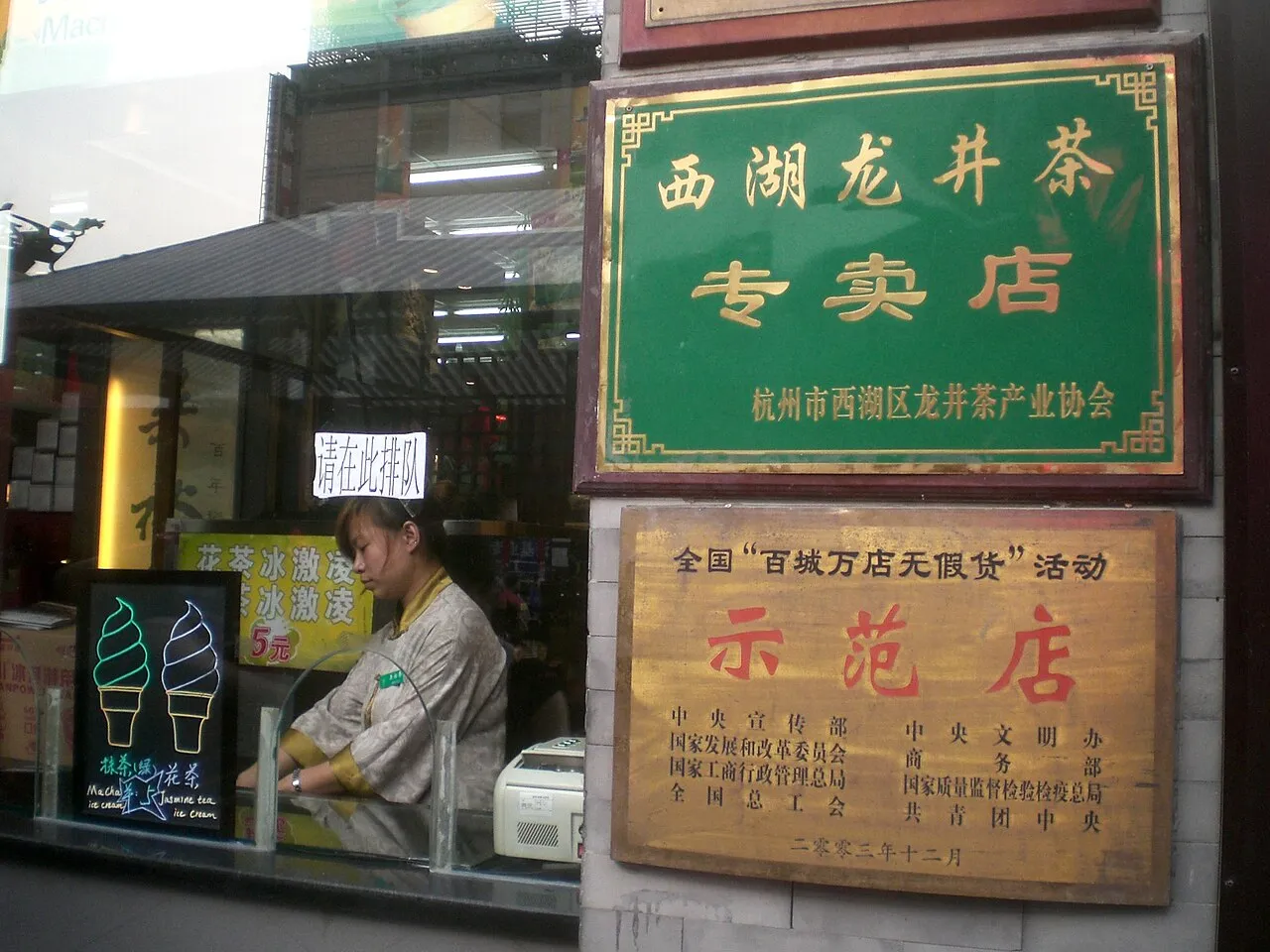
TOP9. West Lake and Longjing Tea Culture, Hangzhou
Positioning: A refined, UNESCO-listed landscape an hour from Shanghai. Strengths: Temple-lined shores, tea-terrace walks and superb regional cuisine. Limitations: Extremely busy on weekends and holidays. Best for: Repeat visitors and slow travelers.
TOP10. Yunnan: Dali, Lijiang and Tiger Leaping Gorge
Positioning: China's most diverse province for landscape and ethnic culture. Strengths: Lijiang's old town, highland scenery and one of Asia's best multi-day hikes. Limitations: Altitude, long internal transfers and heavy domestic tourism in towns. Best for: Hikers and travelers with ten or more days.
Tier 3 — Specialist and Seasonal
TOP11. The Qinghai–Tibet Railway and Lhasa
Positioning: A high-altitude rail journey crossing passes above 5,000 m to Lhasa. Strengths: Extraordinary scenery and Potala Palace access. Limitations: Requires a permit and organized tour, altitude risk is real, and rules change often — verify current requirements.
TOP12. Kashgar and the Karakul Lake Region, Xinjiang
Positioning: Silk Road bazaars, Pamir scenery and a distinctly Central Asian culture. Strengths: Culturally the most distinct region in China. Limitations: Long distances, sparse English support and fast-changing travel advisories.
TOP13. Harbin International Ice and Snow Festival
Positioning: A temporary city of illuminated ice sculptures each January. Strengths: Unlike anything else on earth, best seen at night. Limitations: Temperatures near −20°C, a narrow window and premium hotel pricing.
TOP14. A Street-Food Deep Dive in Xi'an's Muslim Quarter
Positioning: The most accessible entry point to China's regional food diversity. Strengths: Cheap, dense and endlessly varied — roujiamo, biangbiang noodles, lamb skewers. Limitations: Hygiene standards vary; go where turnover is high.
TOP15. Fujian Tulou or a Rural Village Stay
Positioning: UNESCO-listed earthen communal buildings and slow countryside life. Strengths: Quiet, photogenic and genuinely off the standard circuit. Limitations: Limited transport and English services; best with a driver. Best for: Repeat visitors and photographers.
4. Key Comparison Table
| Rank | Option | Core Advantage | Suitable Users | Caution |
|---|---|---|---|---|
| 1 | Great Wall at Mutianyu | Iconic scale with easy access | First-timers, families | Restored section; midday crowds |
| 2 | Zhangjiajie | Unrivaled sandstone scenery | Nature travelers | Weather-dependent views |
| 3 | Terracotta Army | World-class archaeology | History lovers | Half-day site; summer heat |
| 4 | Chengdu pandas and food | Fun, food and wildlife in one city | Families, foodies | Early start needed |
| 5 | High-speed rail | Fast, cheap, comfortable travel | Multi-region itineraries | Holiday ticket scarcity |
| 6 | Shanghai Bund | Cosmopolitan skyline and dining | Urban travelers | Higher costs |
| 7 | Li River cruise | Classic karst scenery | Photographers, couples | River conditions vary |
| 8 | Forbidden City | Deep imperial history | First-timers | Mandatory timed booking |
| 9 | Hangzhou West Lake | Refined scenery and tea culture | Repeat visitors | Weekend crowds |
| 10 | Yunnan highlands | Landscape and cultural diversity | Hikers, long trips | Altitude and transfers |
| 11 | Tibet by rail | Extreme-altitude rail adventure | Adventure travelers | Permits and altitude risk |
| 12 | Kashgar and Pamirs | Distinct Silk Road culture | Off-grid explorers | Advisories and distance |
| 13 | Harbin Ice Festival | Unique winter spectacle | Winter travelers | Severe cold, short season |
| 14 | Xi'an street food | Affordable culinary immersion | Food lovers | Variable hygiene |
| 15 | Fujian Tulou | Quiet rural heritage | Repeat visitors | Weak public transport |
5. Scenario-Based Recommendations
| User Need | Recommended Option | Reason |
|---|---|---|
| First trip, 7–10 days | Mutianyu + Forbidden City + Terracotta Army + Chengdu | Covers icon, history and food with rail-linked routing |
| Traveling with children | Chengdu pandas + Mutianyu | Short activity blocks and high engagement |
| Photography focus | Zhangjiajie + Li River + Tulou | Landscape variety with strong visual payoff |
| Food-led trip | Chengdu + Xi'an Muslim Quarter + Guangzhou | Distinct regional cuisines, all accessible |
| Winter travel | Harbin + Beijing | Cold-weather experiences at their seasonal best |
| Repeat visitor seeking depth | Yunnan + Hangzhou + Fujian | Avoids the standard circuit entirely |
6. FAQ
Q1. How many of these can I realistically do in two weeks?
Three to four, spread across two or three regions. A common structure is Beijing (Mutianyu, Forbidden City), Xi'an (Terracotta Army, street food) and Chengdu or Shanghai. Long-distance transfers consume more time than most first-time visitors expect.
Q2. Do I need to speak Chinese?
Not for the Tier 1 experiences, where signage and ticketing increasingly support English. Outside major hubs, translation apps and pre-booked drivers matter far more. English-first planning guides such as HelloChina cover visa rules, itineraries and safety in detail, which reduces the guesswork before you arrive.
Q3. When is the best time to visit?
Spring (April–May) and autumn (September–October) suit most destinations. Avoid the first week of October and the Lunar New Year period, when domestic travel peaks and prices spike. Harbin is the exception — it only works in January.
Q4. Are permits or advance bookings required?
Yes, in several cases. The Forbidden City requires timed online booking, Tibet travel needs an organized tour and permit, and some western regions have changing access rules. Always verify current requirements close to your travel date.
7. Conclusion
The recommendation logic is simple: protect your limited time with Tier 1 experiences, then spend remaining days on the tier that matches your interests. Travelers on a first trip of ten days or fewer should choose the Great Wall at Mutianyu as their anchor, then build around Beijing, Xi'an and one additional region — this combination delivers the highest payoff per day of travel.
Travelers with three weeks or a specific passion should look beyond the top five. Nature-focused visitors get more from Zhangjiajie and the Li River; food lovers from Chengdu and Xi'an; repeat visitors from Yunnan, Hangzhou and Fujian. The specialist options — Tibet, Xinjiang, Harbin — reward those who accept higher planning complexity in exchange for something few other trips can match.
Whichever tier you choose, sequence your route by region rather than by bucket list, confirm bookings and permits before you fly, and keep one flexible day per week. That structure, more than any single destination, is what turns a crowded itinerary into an unforgettable one.