
Destinations
From cities to hidden landscapes — every page is maintained in the content library and checked against official sources.
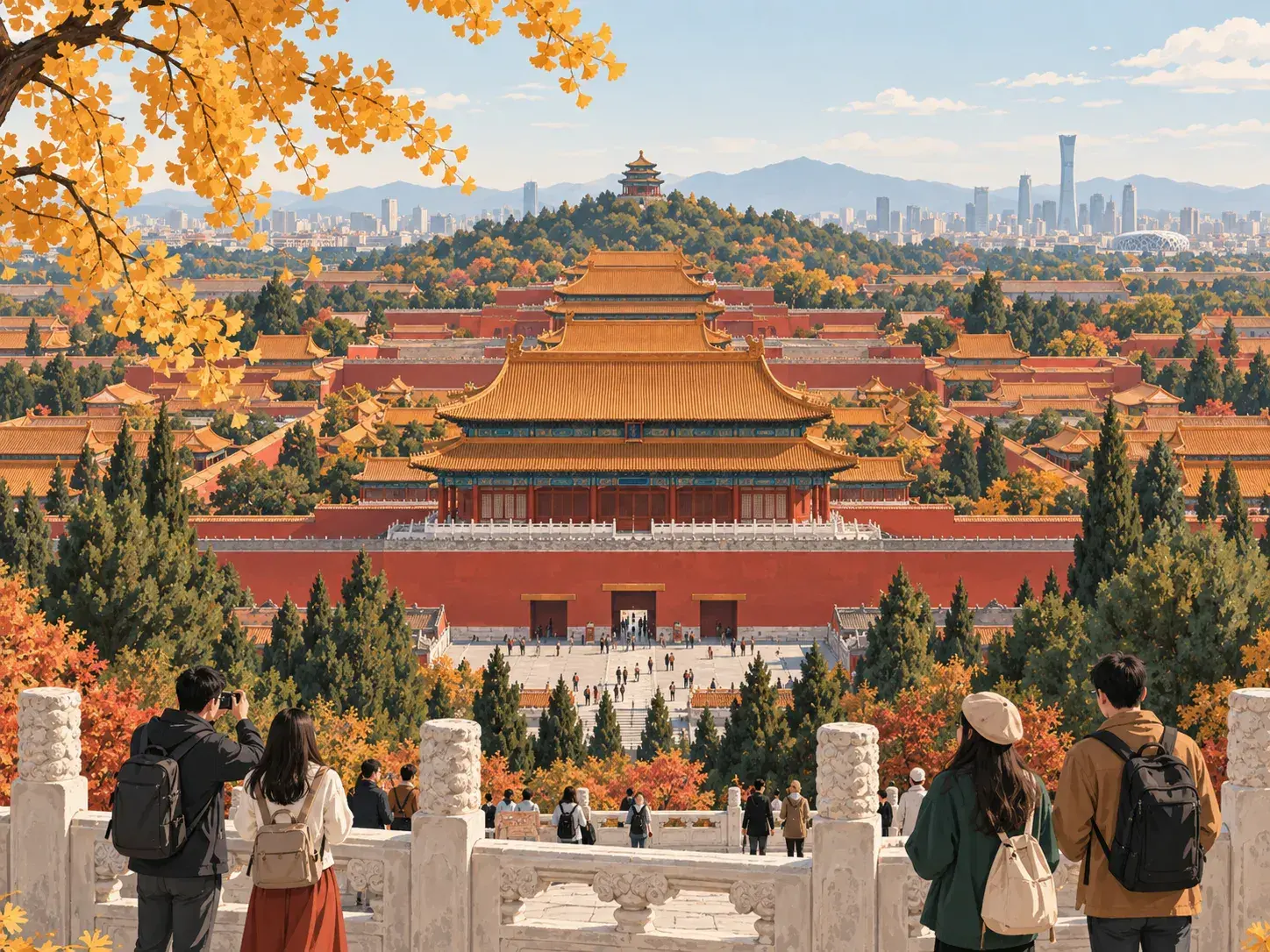
Ring roads around the Forbidden City, hutong lanes to the north, and the Great Wall within day-trip range. Beijing has the most forgiving transport in the country — the easiest soft landing for a first visit.
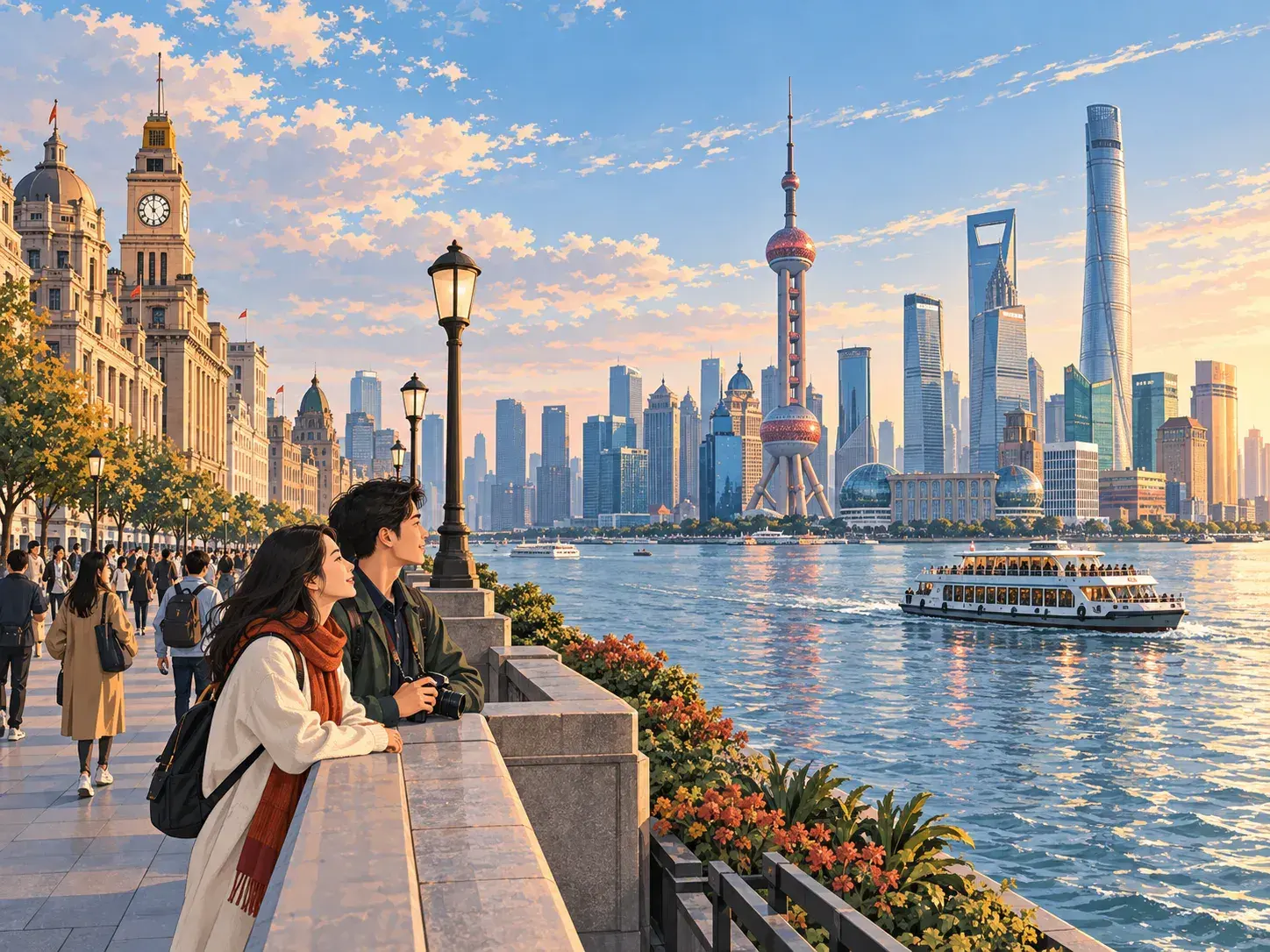
China’s easiest introduction: a walkable riverfront, the country’s best metro, and a food scene that ranges from soup dumplings to Michelin tasting menus. Stay two nights and you will understand the rest of the trip better.
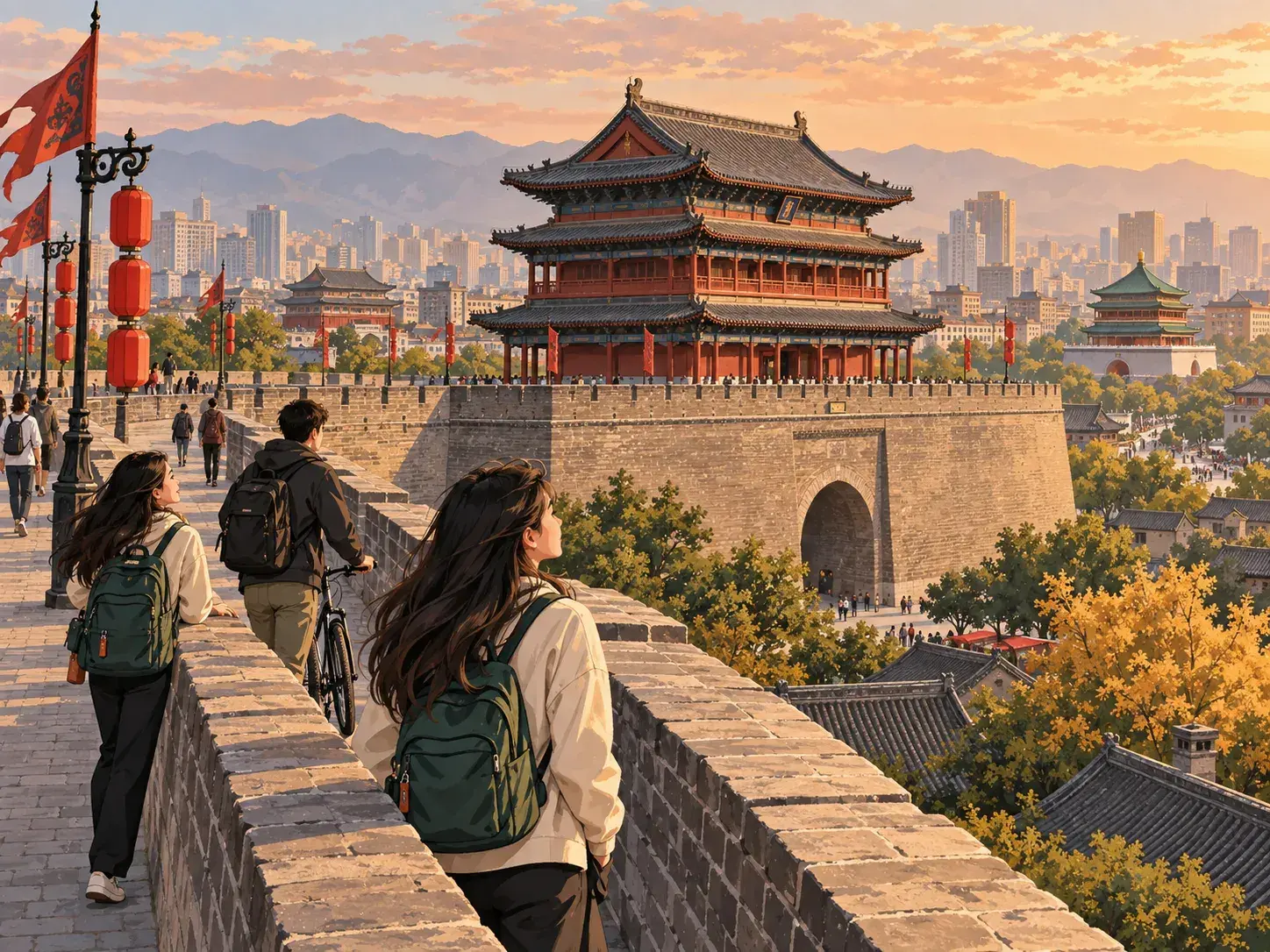
The eastern end of the Silk Road and the capital of thirteen dynasties. The Terracotta Army draws the crowds, but the intact Ming city wall you can cycle, and the Muslim Quarter food lanes, are what make people stay an extra day.
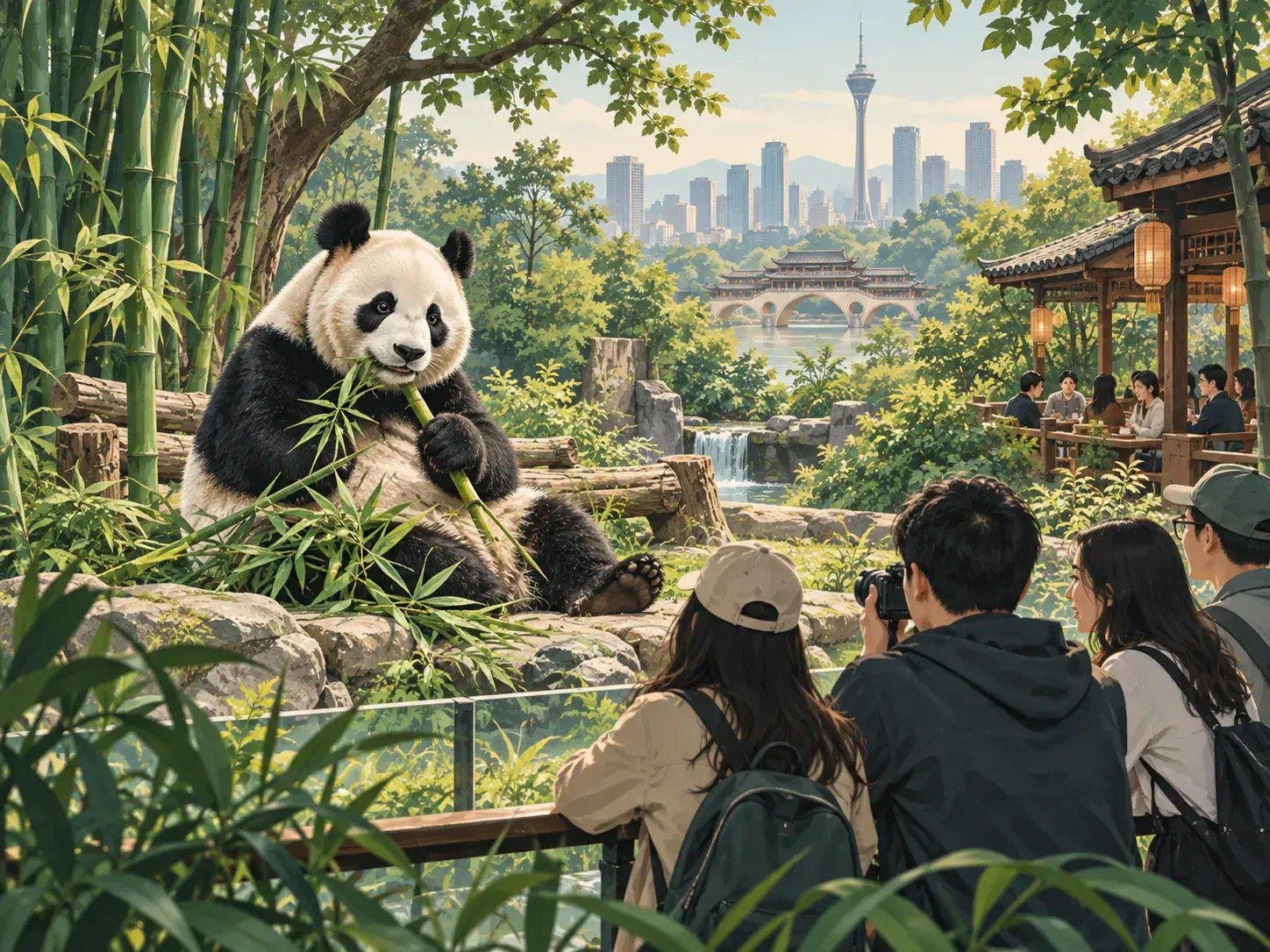
A city that refuses to rush. Teahouses fill at ten in the morning, hotpot runs past midnight, and the pandas are twenty minutes from the centre. Chengdu is also the gateway to Sichuan’s mountains.
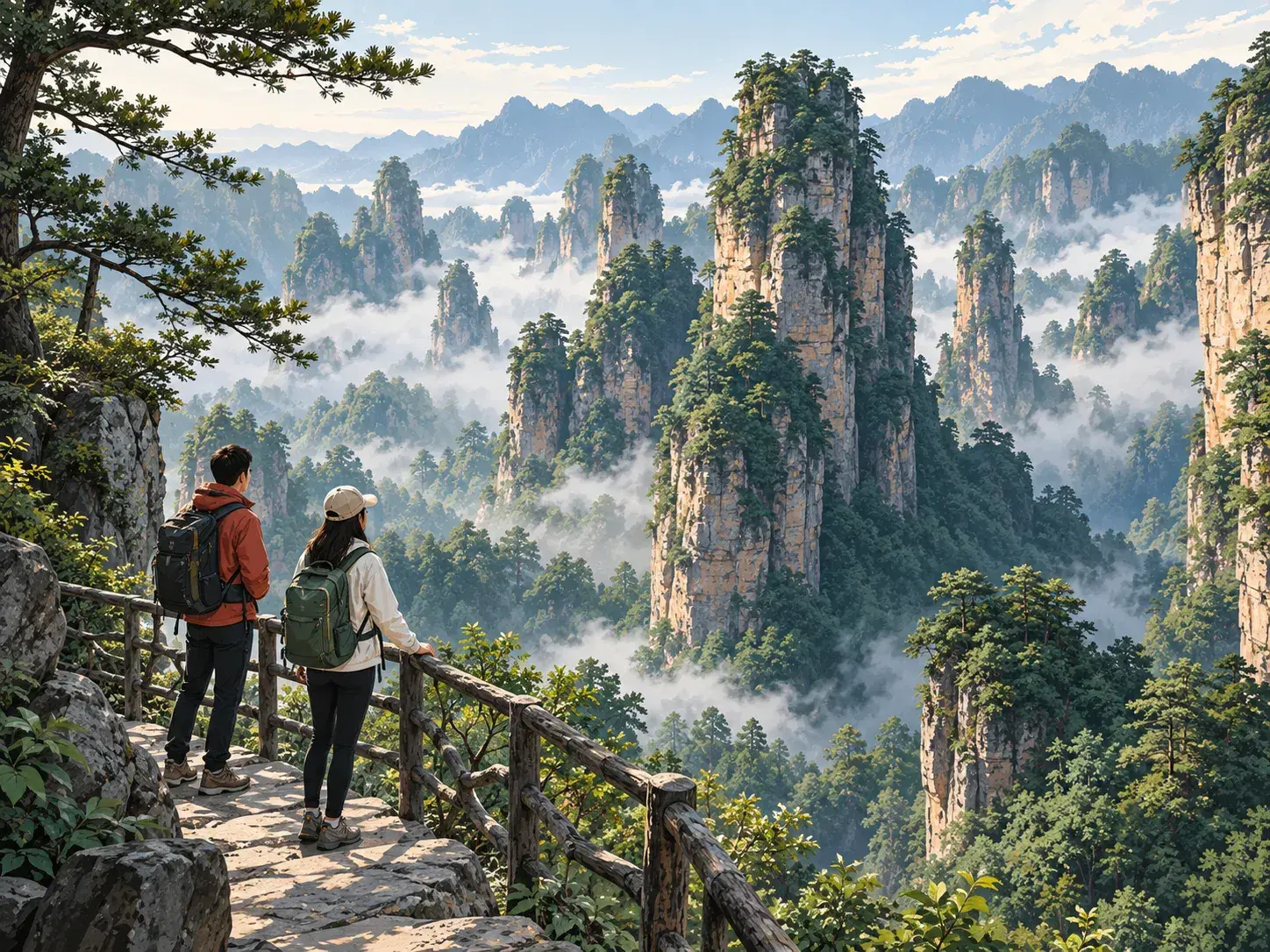
Thousands of quartz-sandstone pillars rising out of subtropical forest — the landscape that inspired the floating mountains in Avatar. It is a park, not a city: plan around cable cars, shuttle buses and weather.
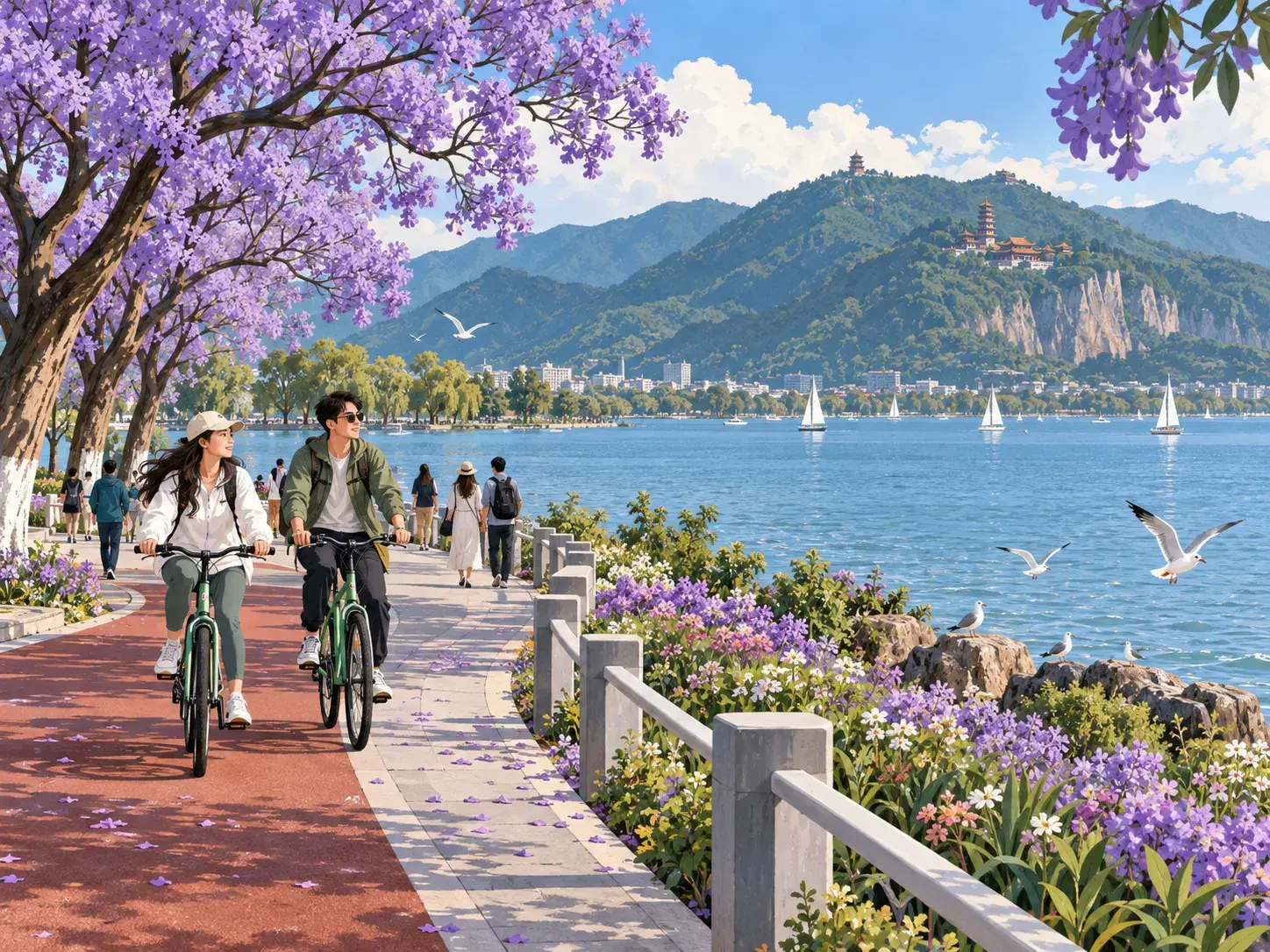
Mild all year, ringed by hills, and the practical door into Yunnan. Most travellers pass through in two hours on the way to Dali — give it two days and it stops being a transit stop.
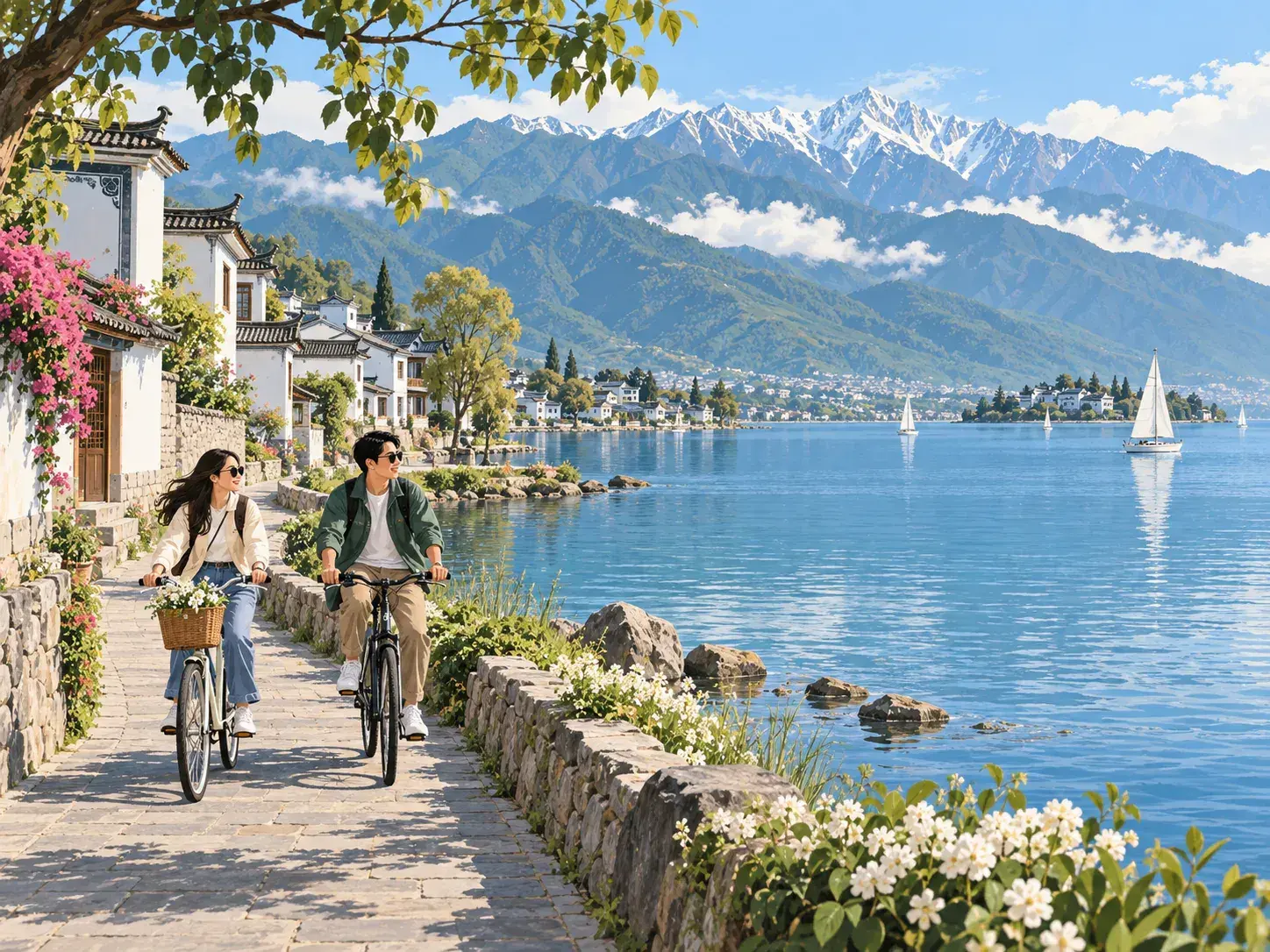
A lake the size of a sea, a mountain wall behind it, and the slowest pace on this list. Bai villages ring the shore — the point is to pick one stretch of coast and stay put.
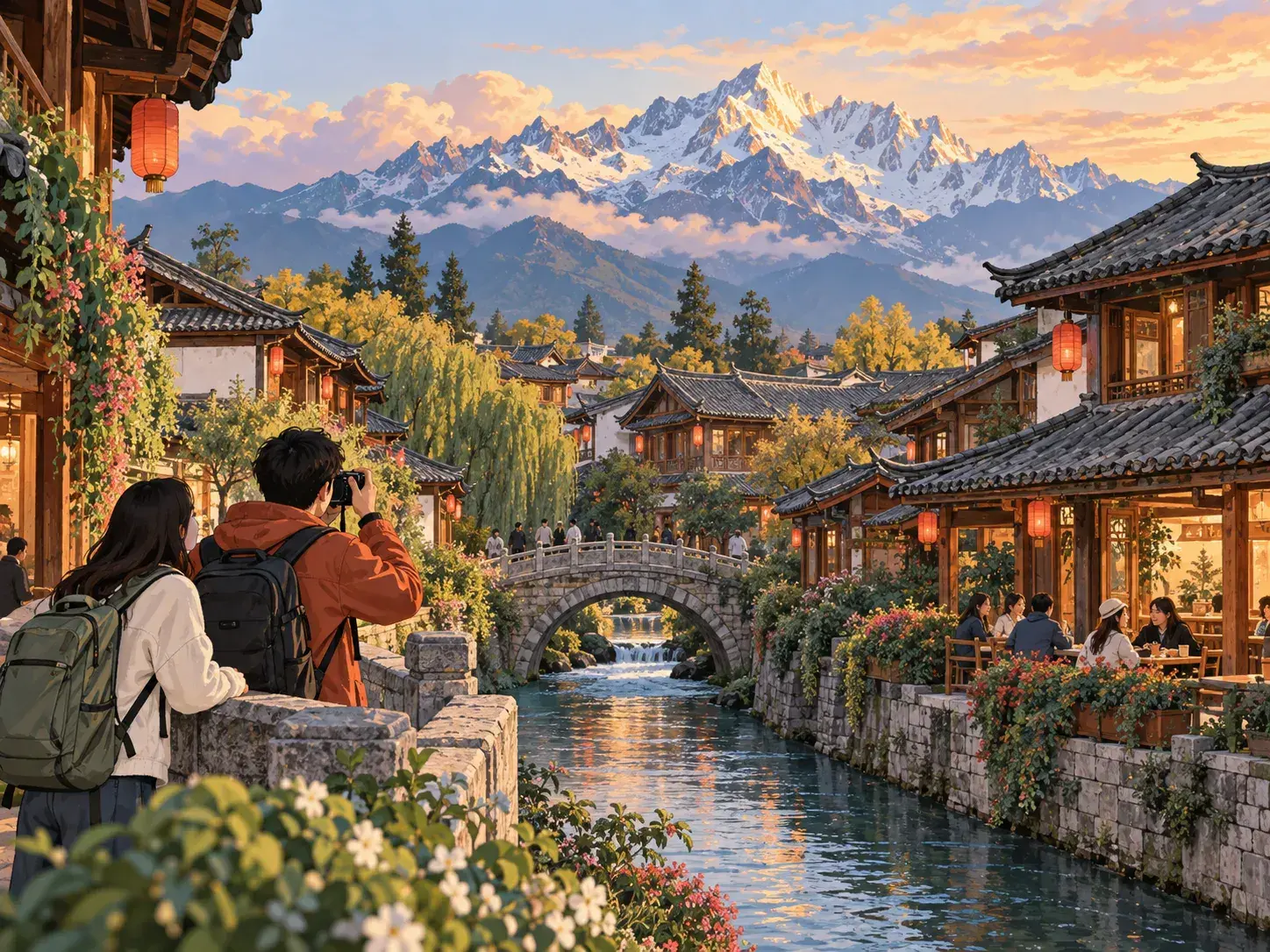
Cobbled Naxi towns under Jade Dragon Snow Mountain. Dayan is the famous one and the busiest — Shuhe and Baisha are quieter, closer to how people actually live, and 20 minutes away.
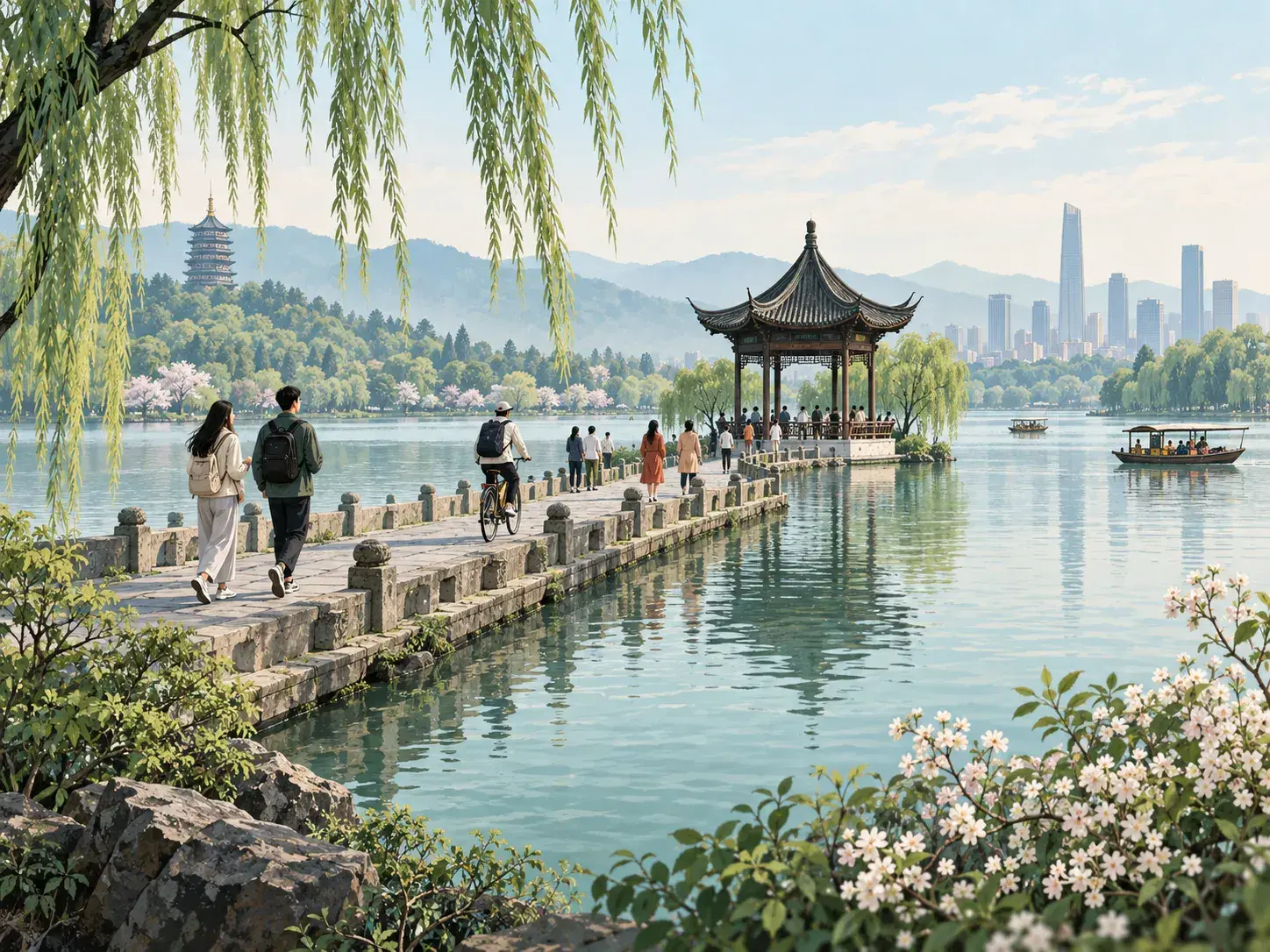
West Lake is the most written-about landscape in Chinese poetry, and it still works: walk the causeways at dawn, then climb into the Longjing tea hills behind them. Under an hour from Shanghai by rail.
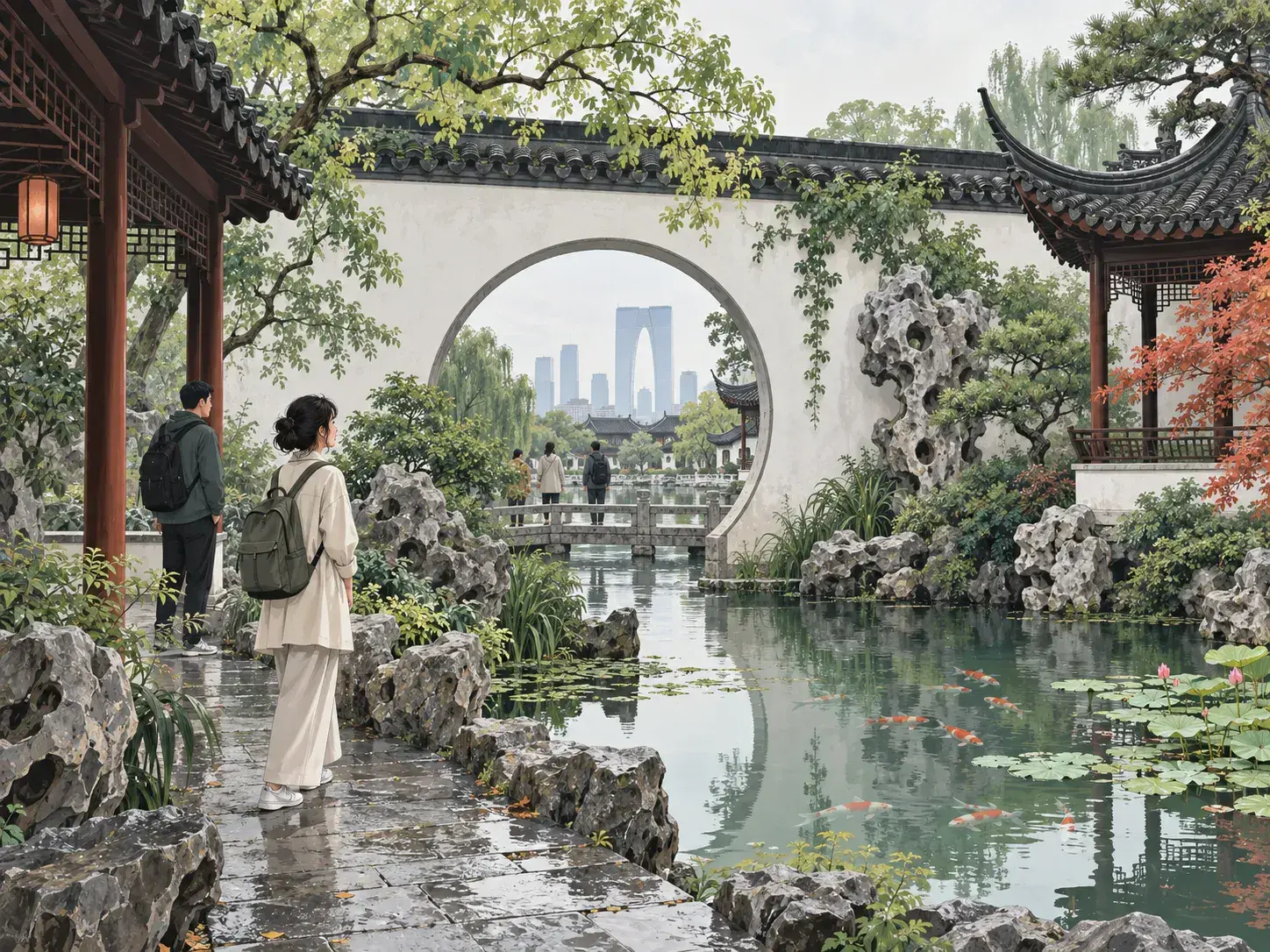
Nine UNESCO-listed classical gardens, a canal old town that is still lived in, and half an hour from Shanghai. Stay a night in the old town instead of day-tripping — the point is the early morning.
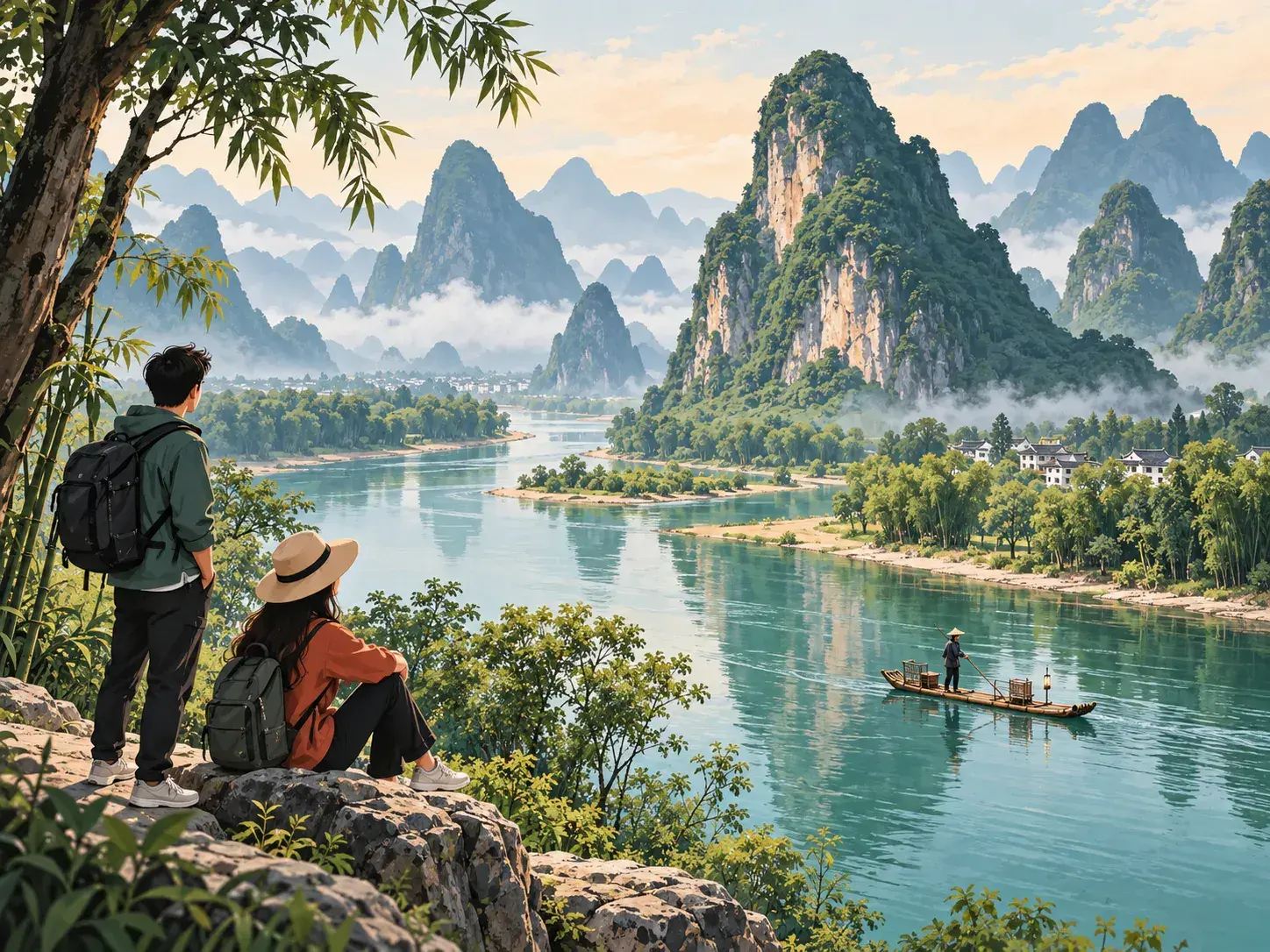
The landscape on the back of the ¥20 note. Guilin is the transport hub, but most people base themselves in Yangshuo, where the river, the peaks and the cycling all start.
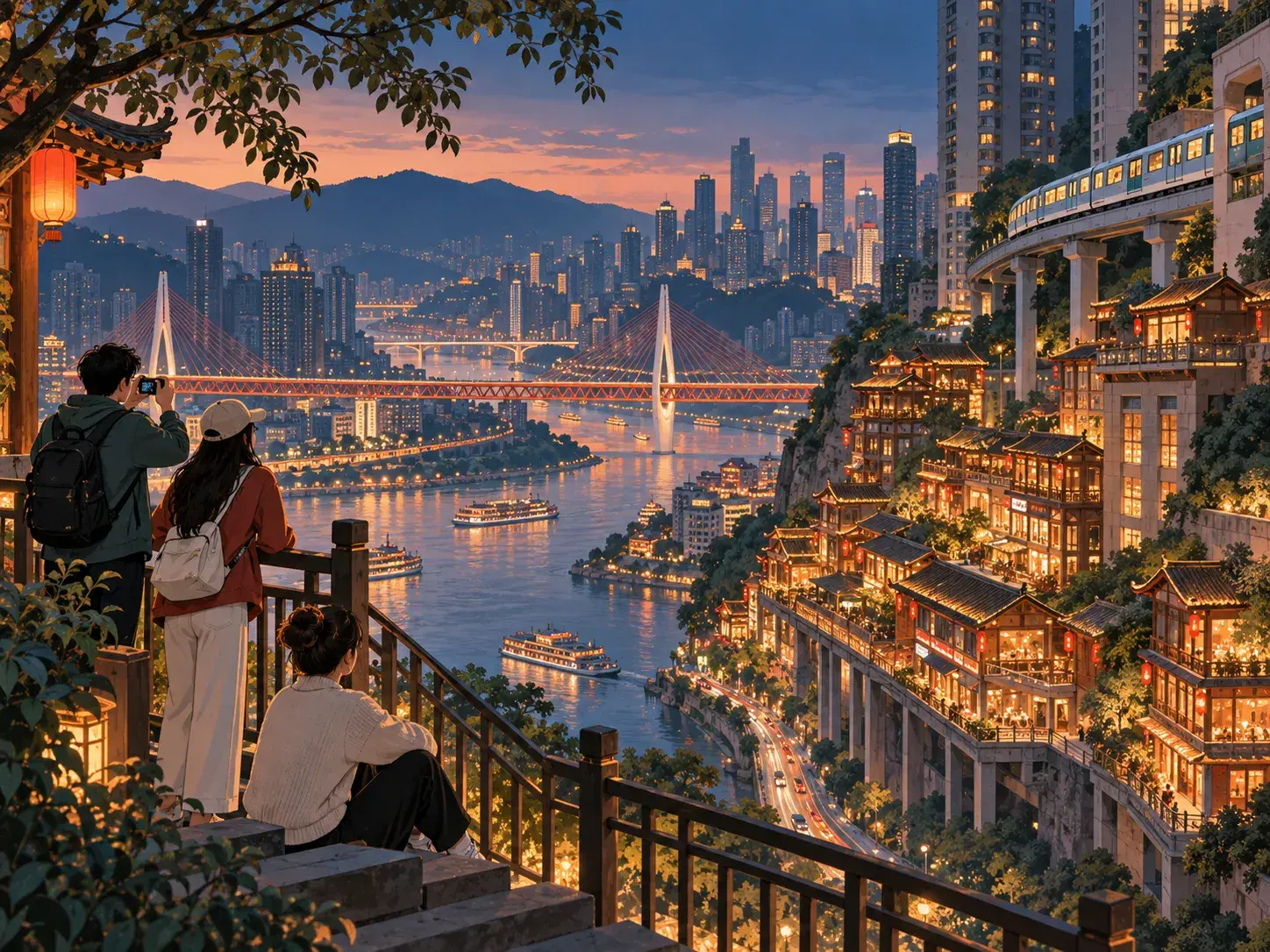
Built on hills between the Yangtze and the Jialing, so streets stack instead of spreading. Monorails run through apartment blocks, and the night skyline from Hongyadong is the reason people come.
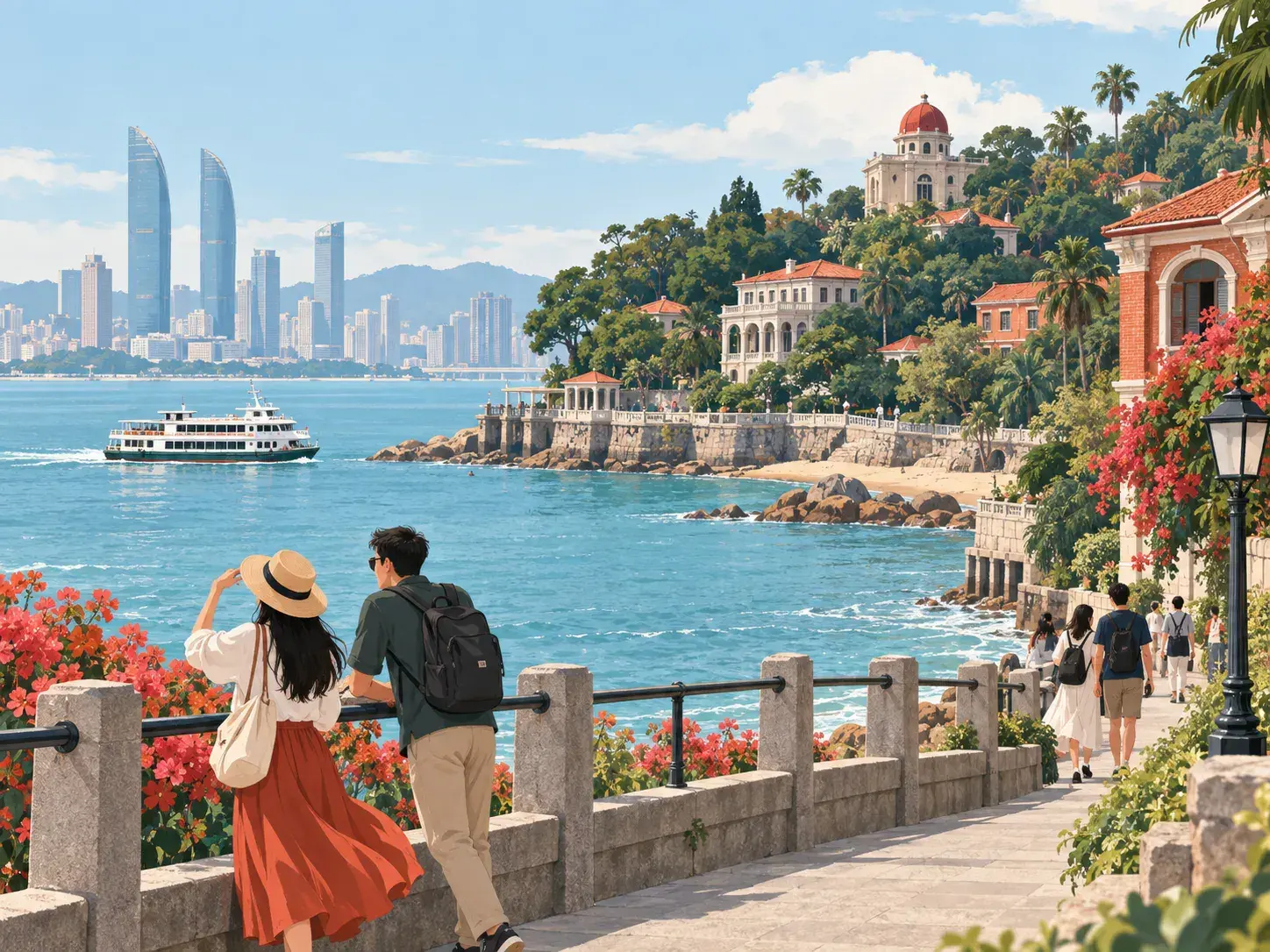
Fujian's island port: Gulangyu's piano quarter is a five-minute ferry from the modern waterfront, the South Putuo temple sits on the bay, and a coastal road circles the half-island. Smaller and slower than the eastern coast cities — a good answer to 'where to start slowly'.
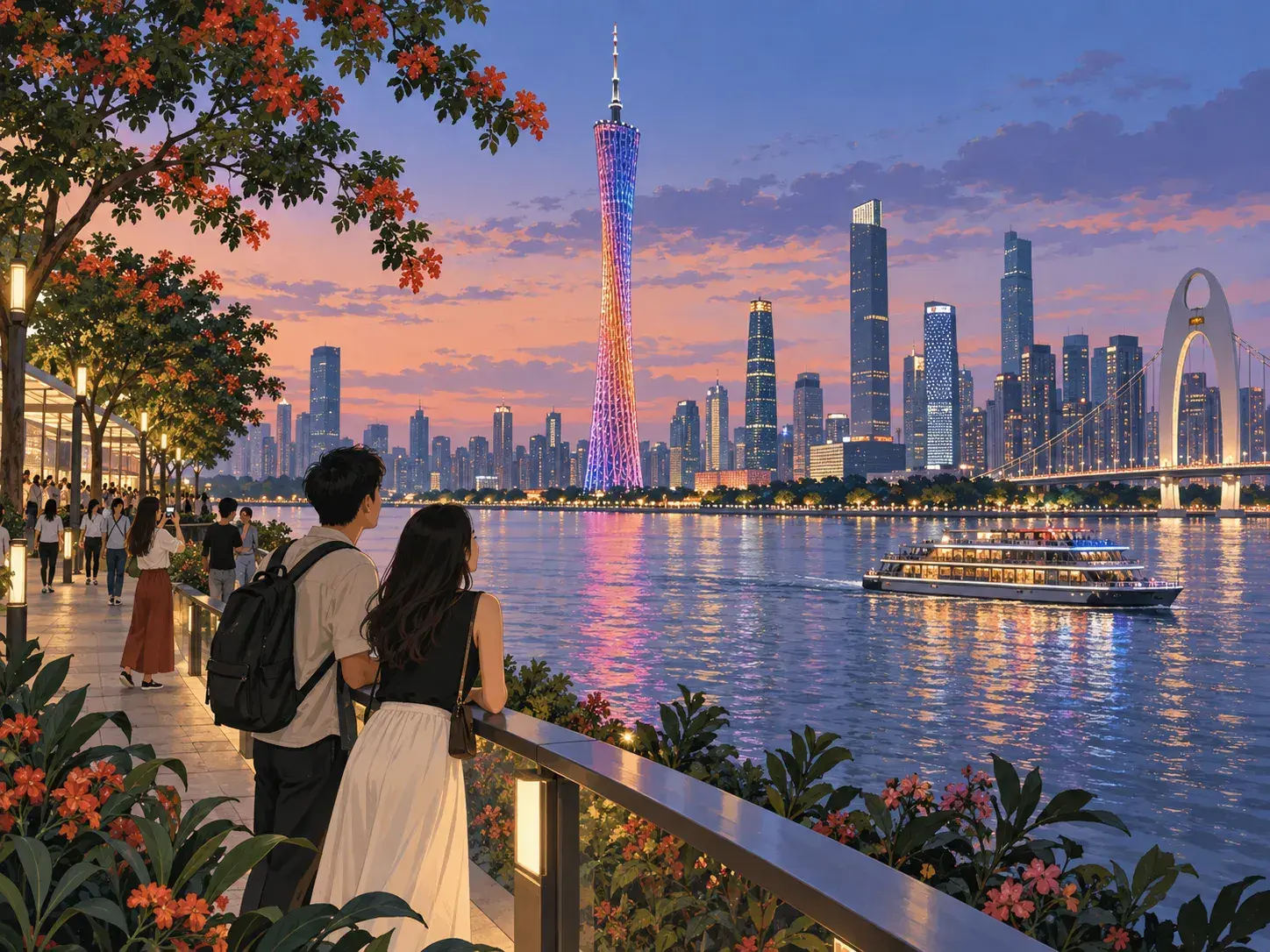
China's southern capital: the Canton Tower and Pearl River New Town on one side, the old river port and Shamian Island on the other, and dim sum at any hour. A working city that has been a port for two thousand years — the food scene is the main reason to come.
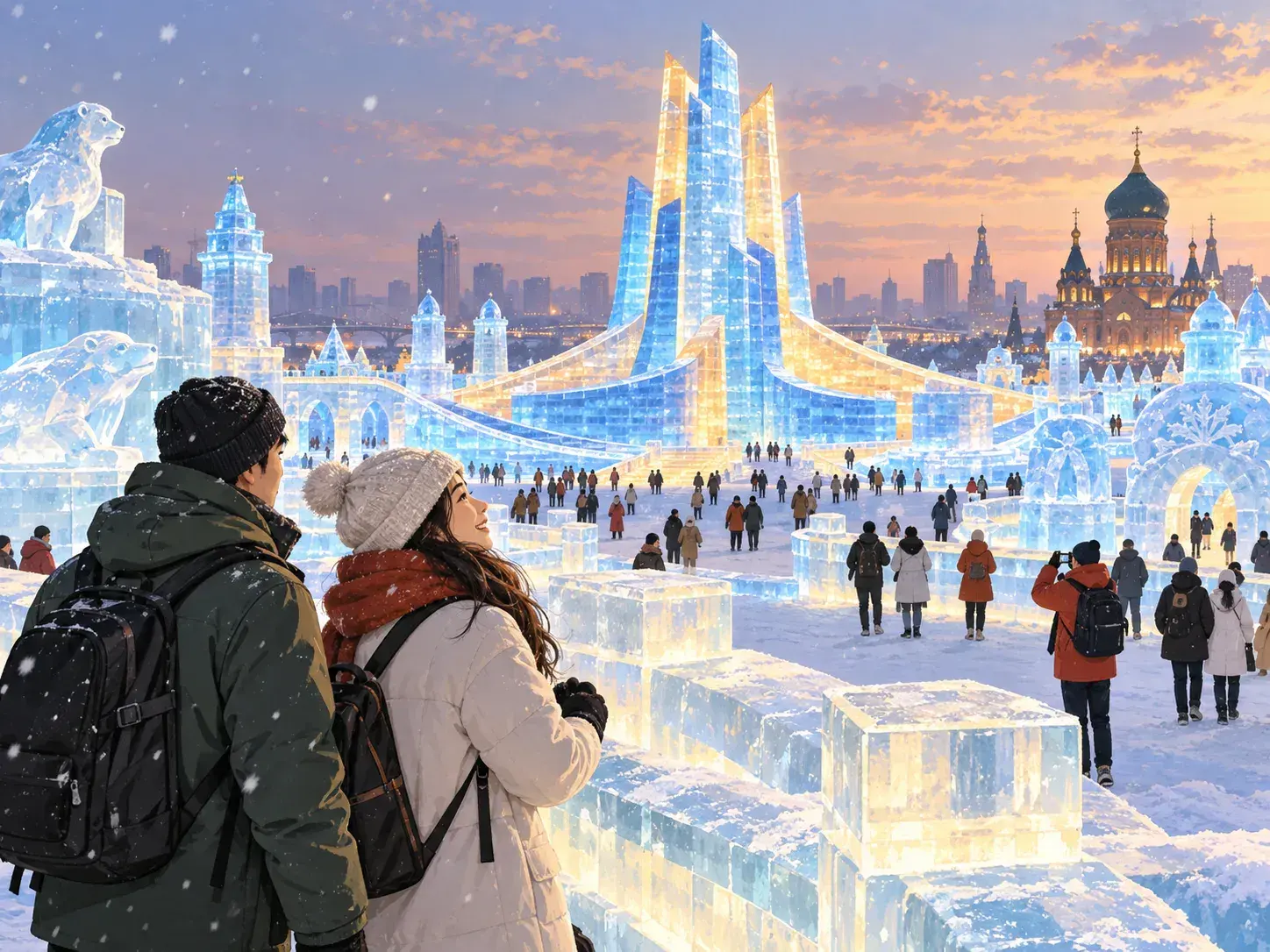
Northeast China's old Russian outpost: onion-domed churches, the Central Street pedestrian mall, and — from December to February — the world's biggest ice and snow sculpture festival. Brutally cold in winter and pleasantly warm in summer; pick a season and lean into it.
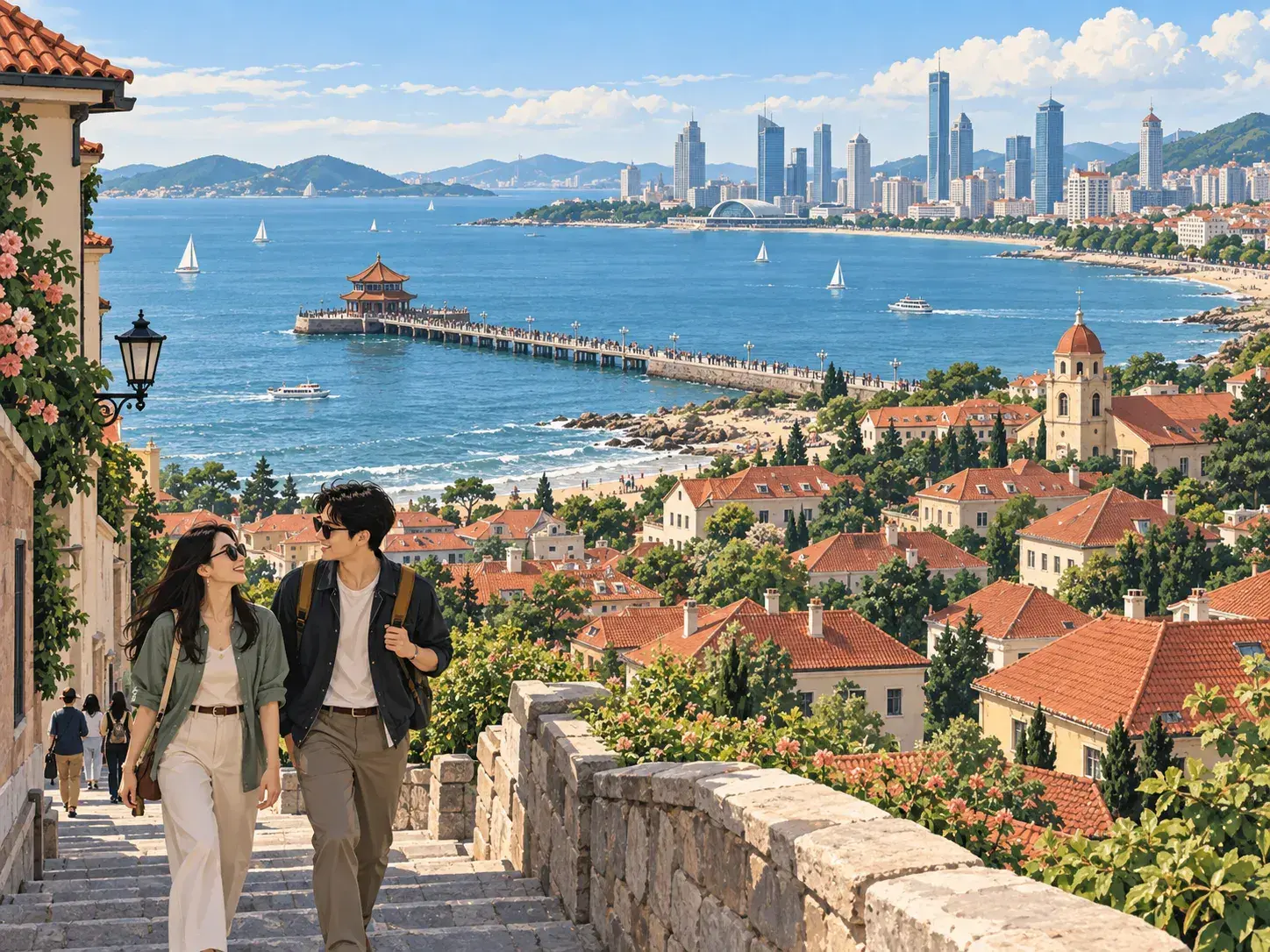
Shandong's coastal city: German colonial-era buildings in the old town, the Zhanqiao pier stretching into Jiaozhou Bay, and Tsingtao Beer — the brand was founded here in 1903 and the brewery is now a museum. Cooler than inland China in summer, walkable, and a useful base for day trips along the coast.
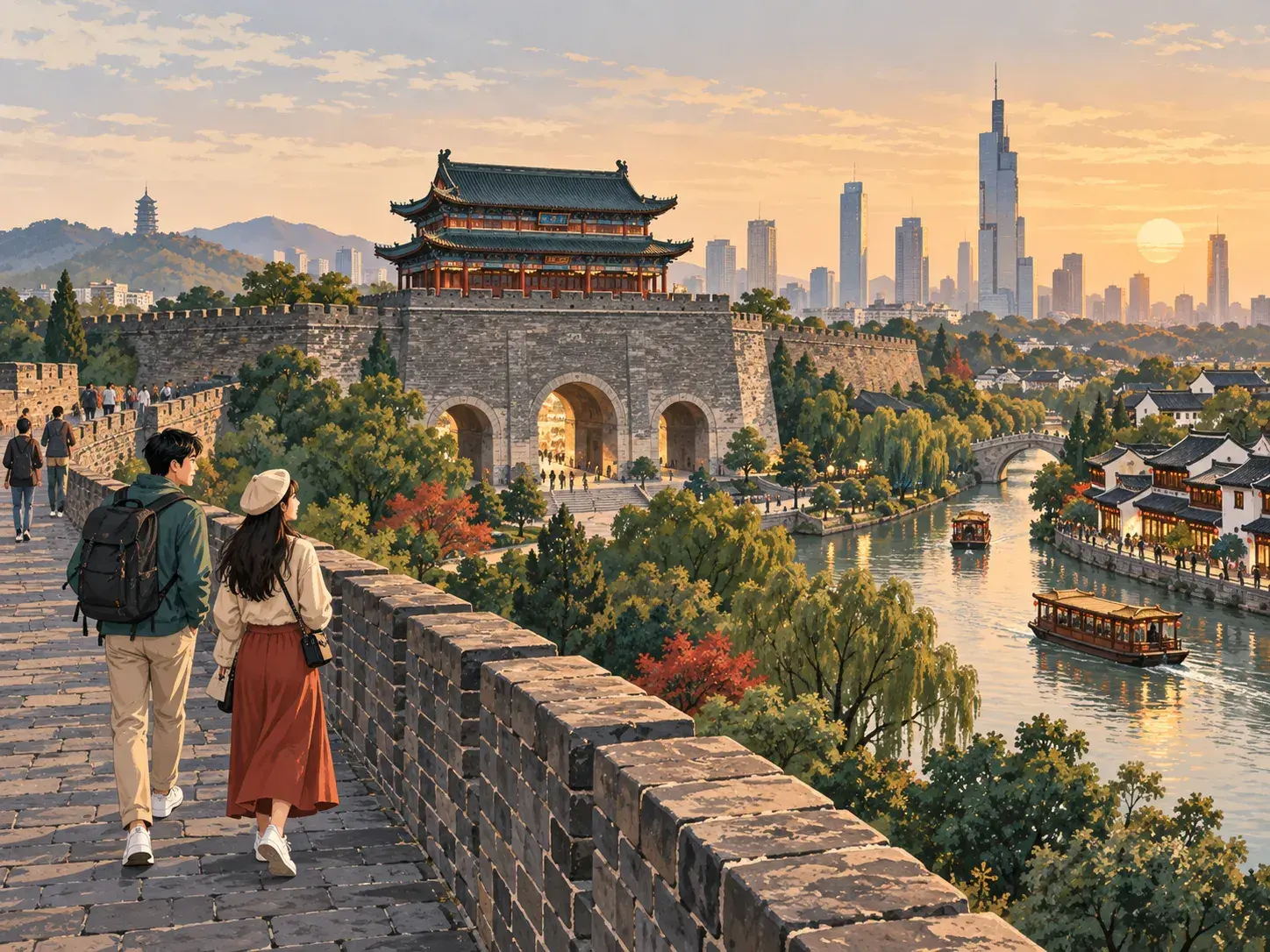
Six dynasties of capital on the Yangtze: the Ming-era city wall still wraps the old centre, the Confucius Temple lights up along the Qinhuai at night, and the city museum holds a third of the country's top-grade relics. Smaller and grayer than Shanghai, more lived-in than Xi'an.
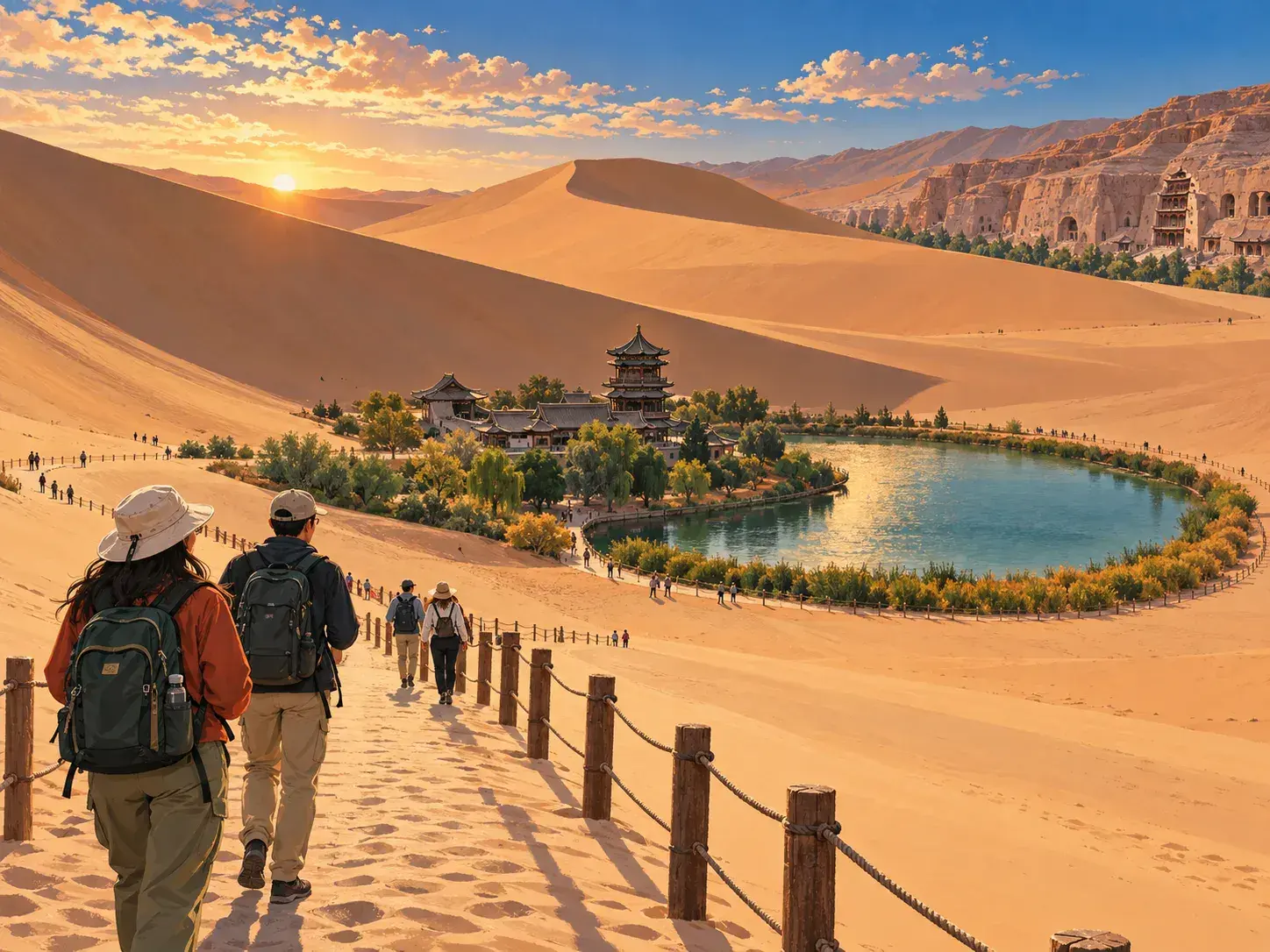
A desert oasis on the Silk Road: the Mogao Caves hold a thousand years of Buddhist art on their walls, and the dunes of Mingsha Mountain end at a crescent-shaped spring. It is a long way from anywhere — Lanzhou is a full night on the train — but the town is small, flat and walkable, and both headline sites are a short taxi ride away.