
Chinese culture & everyday etiquette
Six situations you will actually meet on a trip, plus a Chinese naming tool. Learn what happens, where it comes up, and how practice differs by region, family and generation.

Chopsticks and shared dishes
Most meals are ordered to the middle of the table and shared. Chopsticks are how you take your portion — and a few small habits make the whole thing feel easy.
Read the guide
Tea, teahouses and receiving a cup
Tea is the default drink of a meeting, a meal and a slow afternoon. Knowing how a cup is poured and refilled removes most of the awkwardness.
Read the guide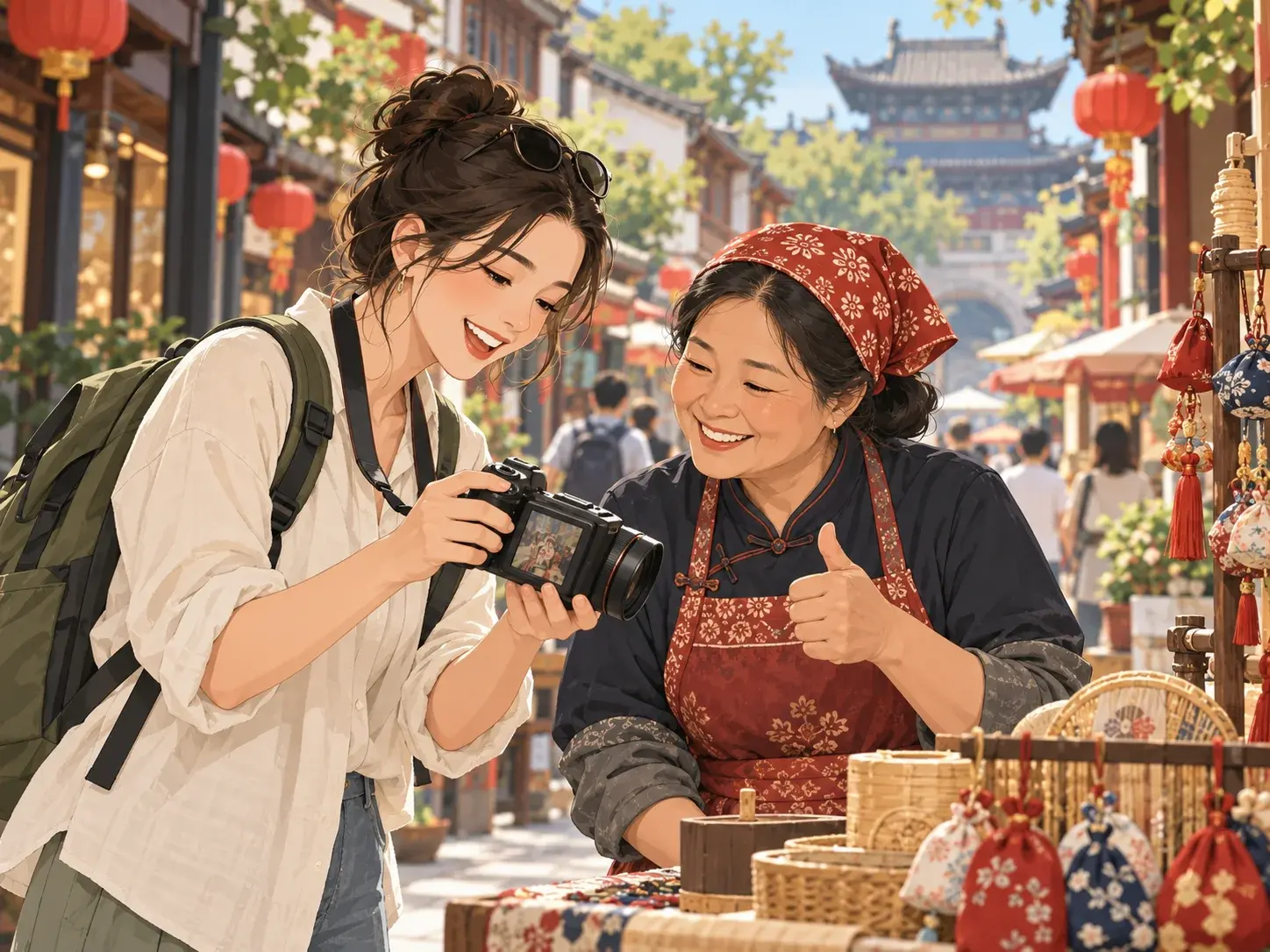
Photography and respecting people
Nobody minds a photograph of a street or a temple facade. The line is people: ask first, and take a no gracefully.
Read the guide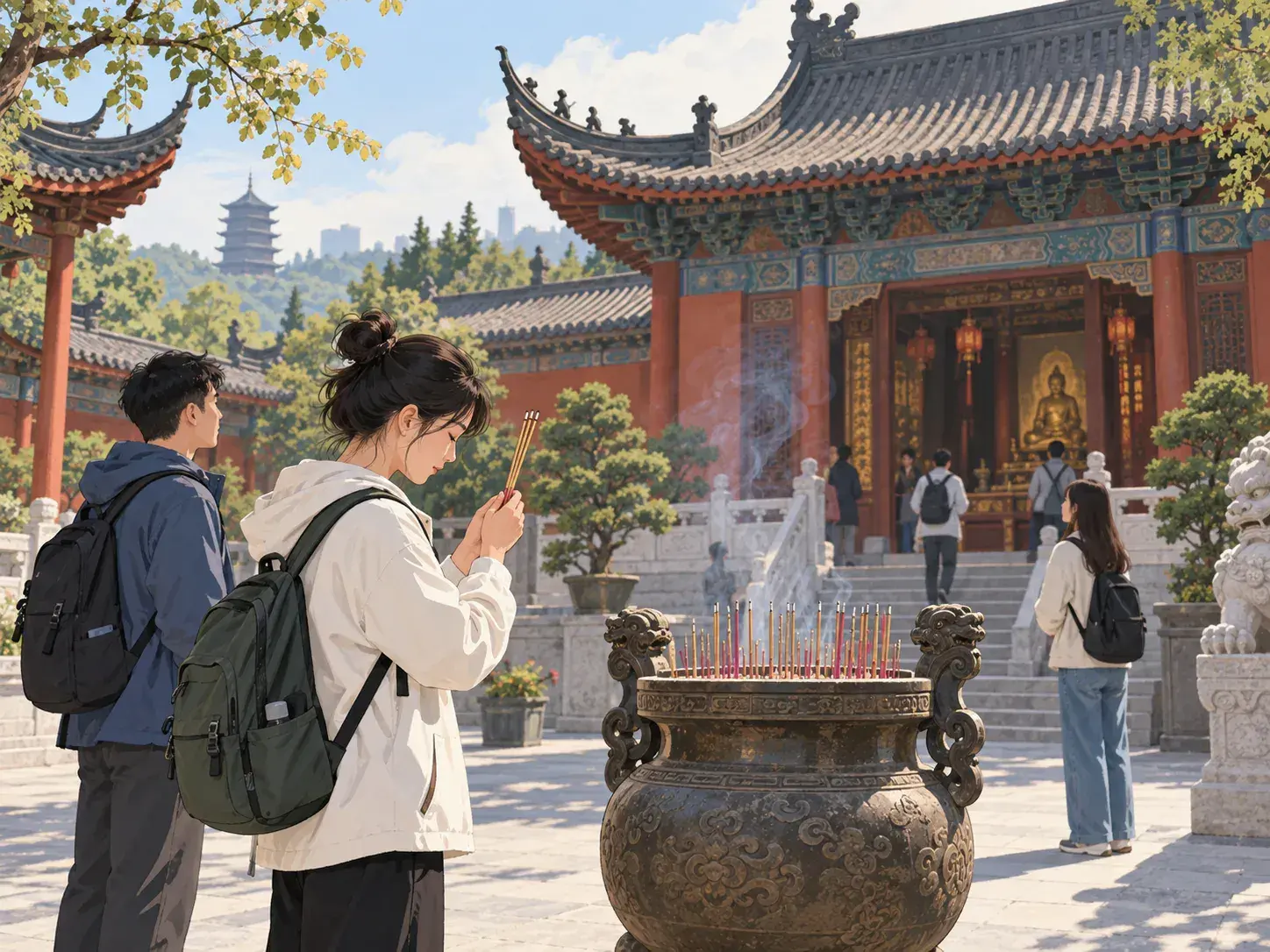
Temples and religious sites
Most temples you will visit are working places of worship, not museums with a ticket window. A few quiet conventions cover almost every situation.
Read the guide
Festivals, crowds and closures
Chinese public holidays move with the lunar calendar, and the whole country travels at once. Knowing the three big windows changes what you book and when.
Read the guide
Everyday courtesy and forms of address
You do not need much language to be polite. A handful of phrases and one habit — using a title instead of a name — covers most of it.
Read the guide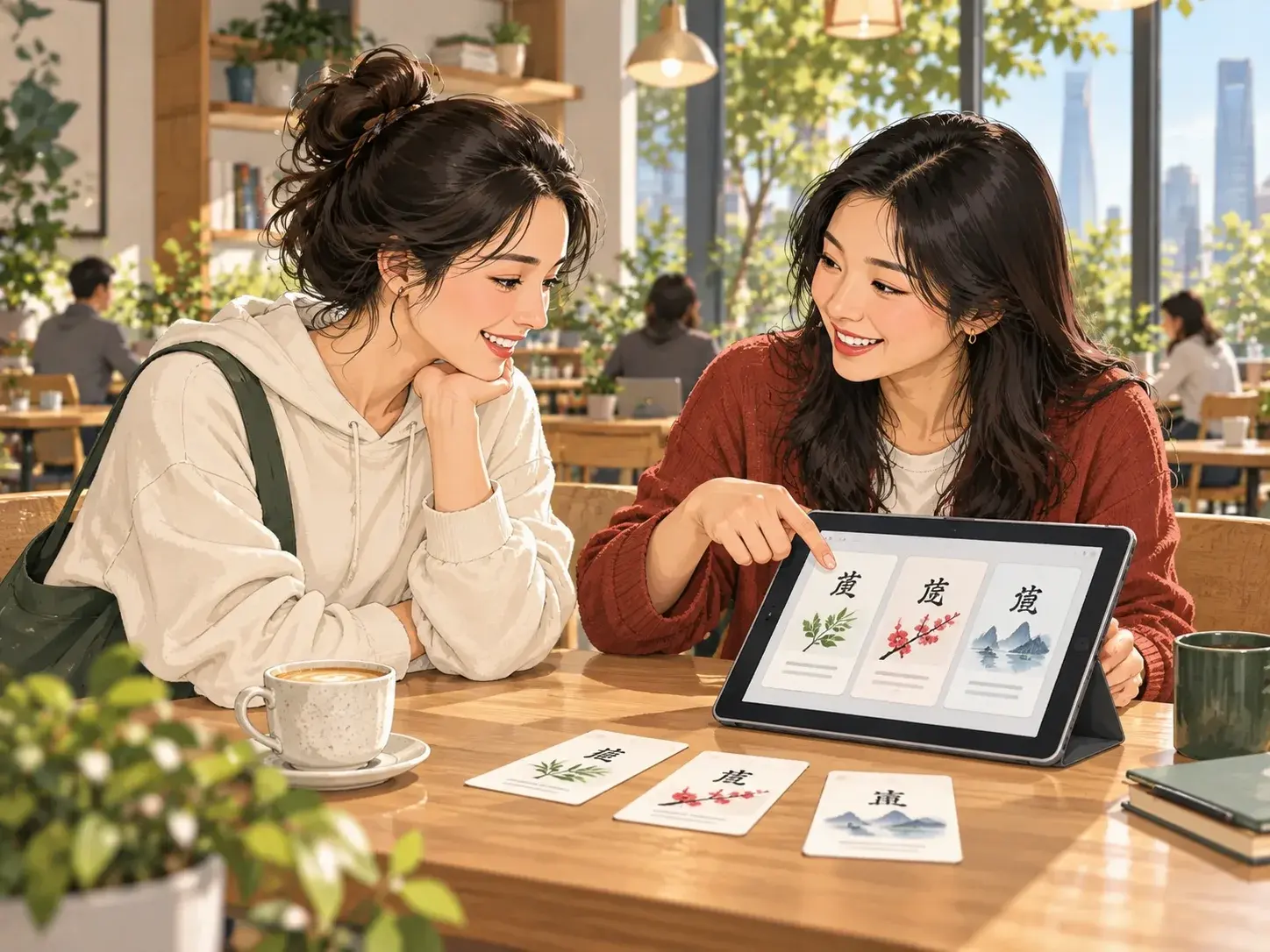
Find your Chinese name
Open Jieyi to explore five names shaped around your sound, meaning and real-life use.
Open external tool