
China 240-Hour Visa-Free Transit for Philippine Passport Holders: Rules and Routes
China 240 Hour Visa Free Transit for Philippine Passport Holders: Rules and Routes Key Takeaways Philippine passport holders can use China's 240 hour 10 day visa free transit polic
China 240-Hour Visa-Free Transit for Philippine Passport Holders: Rules and Routes
Key Takeaways
- Philippine passport holders can use China's 240-hour (10-day) visa-free transit policy at eligible Chinese ports, provided they are traveling to a third country or region, not returning directly to the Philippines.
- The policy applies to transit through specific entry points and requires an onward ticket with confirmed departure within 240 hours.
- You must stay within the designated transit area (usually the province or municipality of entry) and cannot work, study, or engage in activities beyond tourism, business, or visiting family.
- Proper documentation—including a valid Philippine passport, confirmed onward flight, and completed arrival card—is essential to avoid denied boarding or entry.
- HelloChina's guide offers practical route examples and step-by-step advice to help Philippine travelers plan a smooth transit experience.
1. Introduction
For Philippine passport holders planning a trip that passes through China, understanding the visa-free transit policy can save time, money, and stress. China's 240-hour visa-free transit policy allows eligible travelers to enter specific Chinese cities without a pre-arranged visa, provided they meet strict conditions. However, confusion persists around who qualifies, which ports participate, and how to structure an itinerary that satisfies immigration rules. Many travelers worry about being turned away at check-in or facing unexpected detention because they misunderstood the rules.
This article explains the China transit visa for Philippine passport holders in clear, practical terms. It covers eligibility, documentation, route planning, and common pitfalls, using verified policy details and realistic scenarios. By the end, you will know whether you can use the 240-hour transit, how to prepare, and which routes make the most sense for a Philippine traveler transiting through China.
2. Who Qualifies for the 240-Hour Visa-Free Transit?
Core conclusion: Philippine passport holders qualify for the 240-hour visa-free transit only if they are traveling from one country or region to a third country or region, with a confirmed onward ticket departing China within 240 hours.
Reasoning: China's transit policy is designed to facilitate short-term visits for travelers passing through to a third destination. It is not a general visa waiver. The key condition is the "third country or region" rule: your itinerary must show you entering China from one place and exiting to a different place. For example, flying from Manila to Shanghai and then onward to Tokyo qualifies. Flying from Manila to Shanghai and returning directly to Manila does not.
Practical advice: Before booking, verify that your entire journey meets the third-country requirement. The onward ticket must be confirmed and show a departure within 240 hours from the moment of entry. Immigration officers may ask for proof of accommodation, travel insurance, or sufficient funds, so carry printed copies of your itinerary and hotel bookings. Also, ensure your Philippine passport is valid for at least six months beyond your intended departure from China, as airlines often enforce this standard.
3. Eligible Ports and Designated Regions
Core conclusion: Not all Chinese ports participate in the 240-hour transit policy. You must enter and exit through an eligible port and generally stay within the designated region of that port.
Reasoning: The policy is implemented at specific airports, seaports, and land crossings in provinces and municipalities that have been approved for transit facilitation. Major hubs such as Beijing, Shanghai, Guangzhou, Chengdu, and Xiamen are common entry points, but each has its own rules about the geographic area you can visit. For instance, entering through Shanghai allows travel within Shanghai and the neighboring provinces of Jiangsu and Zhejiang, while entering through Beijing typically restricts you to the Beijing-Tianjin-Hebei area. Exiting from a different eligible port within the allowed region is sometimes permitted, but you must confirm this with the local immigration authority before travel.
Practical advice: Always check the latest official list of participating ports and their permitted travel areas before finalizing your route. Choose an entry port that matches your intended sightseeing or business plans. If you plan to visit multiple cities, ensure that both the entry and exit ports and the internal travel are within the allowed region. Keep your travel documents and internal transport tickets handy, as immigration may check that you remain within the designated area. For Philippine travelers, popular routes include Manila–Shanghai–Tokyo, Manila–Beijing–Seoul, and Manila–Guangzhou–Bangkok, all of which satisfy the third-country rule and use major transit-friendly ports.
4. Step-by-Step Application Process at Arrival
Core conclusion: The 240-hour transit requires no advance application, but you must complete arrival procedures and present specific documents at the immigration counter.
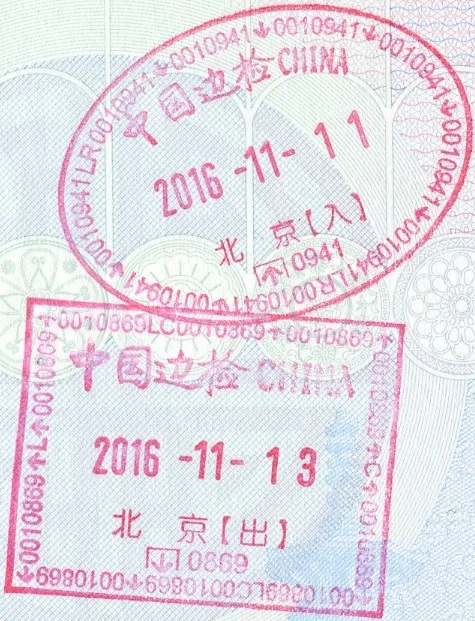
Reasoning: Unlike a traditional visa, the transit policy is granted upon arrival. However, this does not mean you can simply walk through. You will need to fill out an arrival card, and sometimes a specific transit form, and present your documents to the immigration officer. The process typically involves: (1) completing the arrival card and any required health declarations; (2) proceeding to the designated transit/visa-free counter; (3) presenting your passport, onward ticket, and proof of accommodation; (4) answering questions about your itinerary; and (5) receiving an entry stamp valid for up to 240 hours. In some ports, you may be asked to provide biometric information or a photograph.
Practical advice: Arrive at the immigration area with all documents organized in a folder—passport, printed onward ticket, hotel reservation, and a copy of your day-by-day itinerary. Be prepared to explain your travel plans in simple terms. Avoid overstaying even by a few hours; the 240-hour limit is strictly enforced, and overstaying can result in fines, deportation, and future entry bans. If your flight is delayed and you risk exceeding the limit, contact immigration immediately. For Philippine passport holders, it is also wise to carry a printed copy of the official policy description in English, in case airline staff or officials are unfamiliar with the rules.
5. Key Comparison / Method / Considerations
The table below summarizes the main differences between using the 240-hour transit and applying for a regular tourist visa, helping you decide which path fits your trip.
| Factor | 240-Hour Visa-Free Transit | Regular Tourist Visa |
|---|---|---|
| Eligibility | Philippine passport holders transiting to a third country | Any Philippine passport holder traveling to China as main destination |
| Advance application | None required | Required, with application form, photo, itinerary, and fees |
| Duration | Up to 240 hours (10 days) | Typically 30–90 days, single or multiple entry |
| Travel area | Restricted to designated region near entry port | Nationwide, subject to visa conditions |
| Onward ticket | Mandatory, departing within 240 hours to a third country | Not required for the visa itself, but may be requested |
| Processing time | Granted on arrival, usually under an hour | Several days to weeks, depending on embassy |
| Best for | Short stopovers, business trips, or layovers with sightseeing | Longer stays, multi-city tours, or visits to family |
Considerations: The transit option is ideal if your main destination is another country and you want a brief taste of China. It is not suitable for travelers whose primary purpose is to tour China extensively. If you plan to stay longer than 240 hours, or if your itinerary does not include a third country, you must apply for a regular visa. Also, note that the transit policy can be suspended or adjusted without notice, so verify the status shortly before departure.
6. FAQ
Q1. Can I use the 240-hour visa-free transit if I am flying from Manila to Shanghai and then back to Manila?
No. The policy requires transit to a third country or region. Returning directly to the Philippines does not qualify. You would need a regular tourist visa for that itinerary. To use the transit, your onward flight must go to a destination other than the Philippines, such as Japan, South Korea, or Thailand.
Q2. Is the 240-hour limit counted from the moment I land?
Yes, the 240-hour period generally begins at 00:00 on the day after your entry, or from the actual time of entry depending on the port's practice. In most cases, immigration officers stamp your entry with a specific "admitted until" date. It is safer to plan your departure well within the limit—ideally by at least 24 hours—to account for flight delays or schedule changes.
Q3. Can I enter through Shanghai and exit through Beijing?
Possibly, but it depends on the current regulations and whether both ports are part of the same transit region. Some ports allow exit from a different eligible port within the same province or municipality, but cross-region exits are often restricted. You must confirm with the immigration authority at your entry port before travel. If you plan to visit both Shanghai and Beijing, you may need a regular visa instead.
Q4. What documents should I carry to avoid problems at airline check-in?
Carry your Philippine passport (valid at least six months), a printed confirmed onward ticket to a third country departing within 240 hours, hotel reservations for the entire stay, and a copy of your itinerary. Some airlines may also ask for proof of sufficient funds or travel insurance. Having these documents in a folder will help you clear check-in and immigration smoothly.
7. Conclusion
The 240-hour visa-free transit is a practical option for Philippine passport holders who are passing through China en route to another destination. It removes the need for a visa and allows up to ten days to explore a designated region, provided you meet the third-country rule, use an eligible port, and carry the right documents. However, it is not a substitute for a tourist visa if China is your main destination.
For a smooth experience, plan your route carefully, verify that your itinerary qualifies, and prepare a document folder well in advance. HelloChina's guide aims to give you clear, actionable information so you can make informed decisions. If your plans involve longer stays or multiple regions, consider applying for a regular visa through the Chinese embassy or consulate. With the right preparation, your transit through China can be a hassle-free and enjoyable part of your journey.