
How Much Cash Should You Carry in China? A Realistic Daily Budget
How Much Cash Should You Carry in China? A Realistic Daily Budget Key Takeaways China is not a cashless society by law, but it is a mobile payment first society in practice. Most d
How Much Cash Should You Carry in China? A Realistic Daily Budget
Key Takeaways
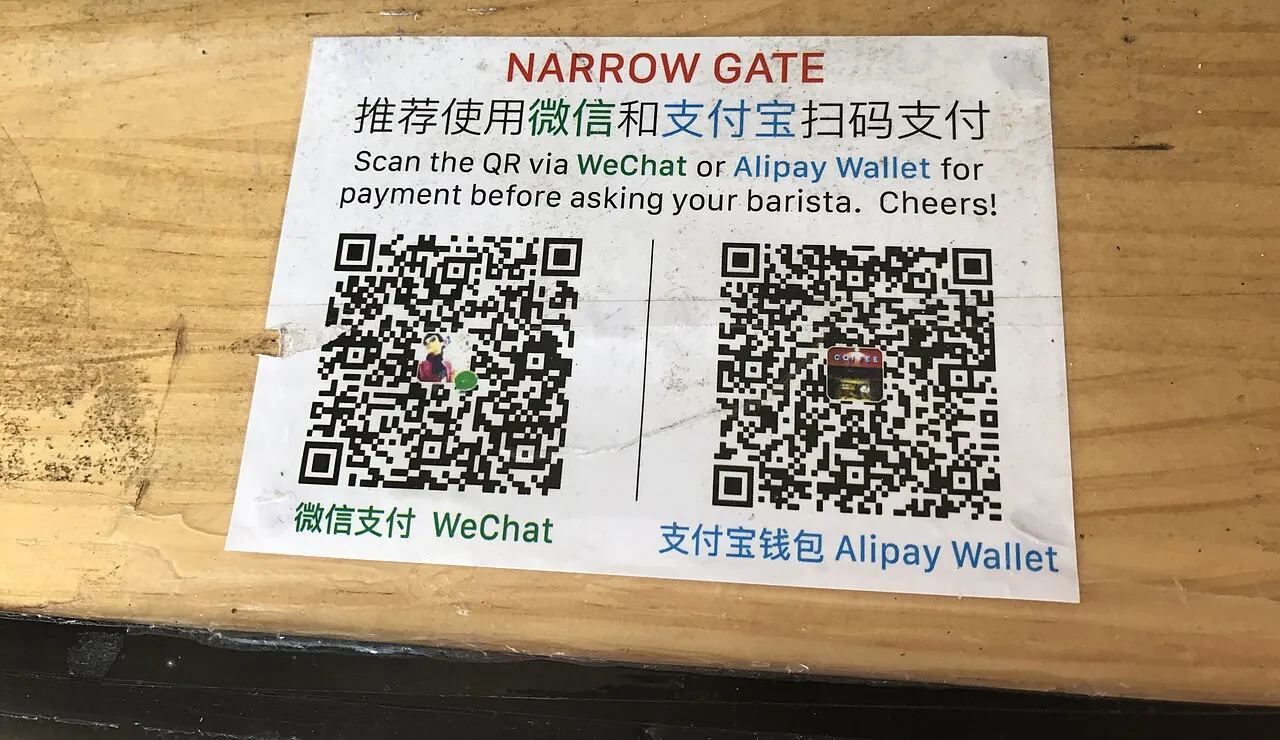
- China is not a cashless society by law, but it is a mobile-payment-first society in practice. Most daily spending runs through Alipay or WeChat Pay, and cash works as a backup rather than a primary tool.
- A practical rule for most international travelers is to keep roughly ¥500–¥1,500 (RMB) in cash on hand at any time, split between small notes and a few larger ones, and to withdraw more only when the stock runs low.
- Plan for a cash float, not a cash budget. Your real daily spending may be ¥300–¥1,200 per person depending on travel style, but the cash share of that is usually ¥50–¥300 per day.
- Cash matters most in specific situations: small street stalls, wet markets, rural buses, temple donation boxes, luggage storage, and moments when a foreign-linked payment app fails.
- Set up Alipay and WeChat Pay with a foreign card before you fly, carry a modest cash reserve, and treat ATMs in Chinese cities as your refill station rather than carrying a large sum from home.
1. Introduction
If you are planning a first trip to China, the cash question is one of the most confusing parts of the budget. On one hand, you have probably read that China is essentially cashless — that everyone pays with a QR code and that a wallet is almost decorative. On the other hand, you may have heard warnings that foreign cards fail, that small shops refuse cash, or that you need a thick stack of yuan just in case.
Both stories contain some truth, and both are incomplete. The useful question is not "is China cashless?" but "how much cash should I actually carry, and where will it matter?"
This guide answers that question with realistic daily ranges by traveler type, explains where cash is still genuinely useful, and walks through how to obtain and manage it without over-carrying. It is written for international travelers — first-time visitors and repeat visitors alike — who want a clear number to plan around rather than a vague warning. The figures below are planning estimates based on typical city and regional conditions, not official statistics; your own spending will depend on your style, itinerary, and appetite for convenience.
2. The Short Answer: A Realistic Cash Range
Conclusion: For most international travelers, carrying around ¥500–¥1,500 in RMB at any given time is enough. That covers emergencies, cash-only corners, and the occasional failed QR payment, without turning you into a walking target for loss or theft.
Why this range makes sense. Mobile payment is the default in Chinese cities. Alipay and WeChat Pay both allow foreign visitors to link international credit and debit cards, and once set up, they cover taxis, metro tickets, convenience stores, restaurants, attraction tickets, and most online bookings. Cash is therefore a resilience layer, not the main channel.
That changes how you should think about the amount. You are not budgeting "cash per day" so much as maintaining a working float that you top up when it drops. A useful mental model:
| Situation | Suggested cash on hand |
|---|---|
| Short city stay (2–4 days, mostly urban) | ¥300–¥600 |
| Standard 1–2 week trip, mixed cities and sights | ¥800–¥1,500 |
| Rural, western, or off-the-beaten-track itinerary | ¥1,000–¥2,000 |
| Family or group of 3–4 people | ¥1,000–¥2,000, including small notes |
Practical scenario. A couple spending five days in Shanghai and Hangzhou might withdraw ¥1,000 once at the airport or a city ATM, keep ¥200–¥300 in ¥10 and ¥20 notes for small purchases, and leave the rest in a hotel safe. If they end the trip with ¥300 left, that is a success, not a planning failure — the point is coverage, not exact consumption.
Important boundary: Do not carry a large sum "just in case" if you have working mobile payments. Cash is replaceable at ATMs in almost every city; the risk of losing a thick wallet is not.
3. Why Cash Still Matters in a Nearly Cashless China
Conclusion: Cash remains a legal right and a practical fallback. Chinese law requires merchants to accept RMB cash for in-person transactions, and cash is the only payment method that works when your phone is dead, your card is blocked, or the vendor's QR code is broken.
The legal side. The renminbi is China's legal tender, and regulators have repeatedly emphasized that businesses should not refuse cash for face-to-face purchases. In practice, this means a shop or taxi driver cannot lawfully insist on digital payment only. Enforcement and awareness vary, so a polite request usually resolves it — but knowing the rule gives you confidence when a vendor waves you off.
The practical side. Several situations still lean on cash:
- Street food and wet markets. A breakfast stall selling steamed buns or a morning market vendor may prefer cash, especially at opening hours when change is easier than a QR transaction.
- Rural transport and small towns. County buses, village shuttles, and some rural taxi drivers may not have a merchant QR account set up for foreign cards.
- Temples, monasteries, and donation boxes. Entry fees and merit boxes are frequently cash-based.
- Luggage storage, lockers, and small service counters. These are often informal and cash-friendly.
- Payment app failures. Foreign cards can be declined by the issuing bank, blocked for security, or rejected by a particular merchant's setup. A ¥50 note solves in ten seconds what a support call cannot solve in an hour.
- Phone failure. A drained battery or a dropped phone is rare but disruptive; cash is the only backup that does not need charging.
Caution with digital payments. Setting up Alipay or WeChat Pay with a foreign card requires identity verification, usually with your passport, and the name must match the card. Some cards, particularly certain debit cards and smaller issuers, are rejected. Small transactions are often processed without a fee, while larger ones may carry a service fee of around 3%. Treat these apps as your primary tool, but verify they work before you rely on them — a test payment at the airport is worth more than a saved screenshot of a tutorial.
4. Daily Budget Benchmarks: How Much to Carry by Traveler Type
Conclusion: Your total daily spending and your cash float are two different numbers. Most travelers spend ¥300–¥1,200 per person per day excluding international flights, but only a fraction of that needs to be in cash.
The table below is a planning aid for on-the-ground spending in China, excluding international airfare and, where noted, accommodation. Ranges are broad because Beijing, Shanghai, and Shenzhen cost more than Chengdu, Xi'an, or Guilin, and because "mid-range" means different things to different travelers.
| Traveler type | Typical daily spend per person (excl. flights) | Suggested cash carried | Notes |
|---|---|---|---|
| Budget backpacker | ¥250–¥500 | ¥300–¥600 | Hostels, street food, public transport, hard-seat trains |
| Mid-range traveler | ¥600–¥1,200 | ¥500–¥1,000 | 3–4 star hotels or good guesthouses, restaurant meals, some taxis |
| Comfort traveler | ¥1,500–¥2,500+ | ¥800–¥1,500 | Higher-end hotels, private guides, booked transfers, fine dining |
| Family of four | ¥1,200–¥2,500 total | ¥1,000–¥2,000 | More small notes for snacks, toilets, and incidentals |
| Rural / western route | ¥400–¥900 | ¥1,000–¥2,000 | Longer stretches between reliable ATMs; more cash-only vendors |
A few reading notes on the table:
- Cash carried is a buffer, not a daily spend. If you are a mid-range traveler carrying ¥800, you are not expected to spend ¥800 in cash each day. You might spend ¥100–¥200 in cash and the rest digitally.
- Small notes do more work than big ones. A ¥100 note is awkward at a ¥6 breakfast stall early in the morning. Ask for a mix of ¥10, ¥20, and ¥50 notes when withdrawing or exchanging.
- Accommodation is usually paid by card or app. Hotels accept international cards, and prepaid bookings are common. Cash deposits are sometimes requested and are refundable, so keep ¥300–¥500 available on check-in if you prefer not to leave a card.
- Tipping is not customary. Restaurants, taxis, and hotels do not expect tips, so you do not need to budget for them.
5. How to Get, Hold, and Spend Cash Without Over-Carrying
Conclusion: Withdraw in cities, keep the bulk secured, carry a small working amount, and spend down your cash before departure. This is safer and cheaper than exchanging a large sum at the airport.
Getting cash.
- ATMs are the most practical source. Bank of China, ICBC, China Construction Bank, and Agricultural Bank of China ATMs commonly accept foreign cards. Withdrawal limits per transaction are typically in the ¥2,500–¥5,000 range, and your home bank may add a fee plus a currency conversion charge.
- Bank counters can exchange foreign currency and often give better rates than airport kiosks. Bring your passport; expect a short form and a queue.
- Airport exchange desks are convenient but usually cost more. Exchange a small amount for immediate needs, then use city ATMs.
- Customs thresholds. China requires declaration when carrying large amounts of currency across the border — commonly cited thresholds are the equivalent of about USD 5,000 in foreign currency and around ¥20,000 in RMB. If you plan to bring significant cash, check the current rules before departure rather than assuming.
Holding cash.
- Split your money: a small daily wallet, a reserve in your hotel safe or a money belt, and a card as backup.
- Keep roughly ¥100–¥200 in small notes accessible for transport, snacks, and entry fees.
- Check ¥100 notes when you receive them, especially in tourist areas and small shops. Counterfeit risk is low but not zero; bank-issued ATM cash is the safest source.
- Do not carry your entire trip's cash at once. Withdraw in installments as your float drops.
Spending cash.
- Use cash for small, fast transactions and digital payment for anything requiring a receipt, booking record, or refund protection.
- At a shop that hesitates to accept cash, a calm explanation that RMB is legal tender for in-person purchases usually resolves it. If it does not, pay digitally and move on — a confrontation is not worth your afternoon.
- Spend down your remaining yuan before you leave. Exchanging RMB back at the airport usually comes with an unfavorable rate, and many banks abroad will not accept it.
- Remember that Hong Kong and Macau use their own currencies. RMB is sometimes accepted at a poor exchange rate, so keep the currencies separate in your planning.
A note on regional variation. Major cities are highly digital, and some vendors may seem surprised by cash. Smaller cities, rural areas, and western regions are more cash-friendly. If your itinerary includes village stays, long-distance rural buses, or remote trailheads, lean toward the higher end of the suggested range.
6. FAQ
Q1. Can I rely entirely on a foreign credit card in China?
Not entirely. International cards are widely accepted at hotels, airports, large retailers, and upscale restaurants, but many small merchants do not accept them directly. The practical workaround is to link your card to Alipay or WeChat Pay, which converts your card into a widely accepted QR payment method. Even then, keep some cash as a fallback in case your card is declined or your app requires re-verification.
Q2. Is it legal for a shop to refuse cash in China?
For in-person purchases, RMB cash is legal tender and merchants are expected to accept it. Refusal is not supposed to happen for face-to-face transactions, and regulators have pushed back on cashless-only practices. Situations differ: online prepayment, some automated services, and staff unfamiliarity can all create friction. In practice, a polite explanation usually works, and a digital payment is the faster exit if it does not.
Q3. How much cash should I carry for a 7-day trip?
For a typical seven-day city-focused trip, a total of roughly ¥1,500–¥2,500 withdrawn in one or two installments is a reasonable buffer, with ¥500–¥1,000 carried at any one time. If your route includes rural areas, add another ¥500–¥1,000. Most of your actual spending will still go through mobile payment, so expect to finish the trip with some yuan left over.
Q4. Are ATMs easy to find, and do they accept foreign cards?
In cities, yes. Bank branches and ATMs are common, and major banks' machines usually accept foreign cards. Availability thins out in smaller towns and rural areas, and not every machine accepts every card network. Withdraw before heading into remote regions, and keep a second card from a different issuer as backup.
7. Conclusion
The realistic answer to "how much cash should you carry in China" is less than you might fear and more than a fully cashless traveler would expect. For most visitors, a working float of ¥500–¥1,500 — adjusted upward for rural routes and families — covers the gaps while mobile payment handles the everyday.
The best setup is a two-layer one: Alipay and WeChat Pay linked to a foreign card and tested before departure, plus a modest, well-split cash reserve in small notes. Withdraw in cities, keep the bulk secured, spend cash on small purchases, and stop thinking about exact daily cash consumption. The goal is not to spend a precise amount each day; it is to never be stranded by a dead phone, a declined card, or a vendor who only takes notes.
If you are building a fuller China budget, treat this cash guidance as one line item alongside transport, accommodation, and attraction tickets — and confirm current payment and customs rules close to your departure date, since app policies and entry requirements do change. For more practical planning guides on visas, itineraries, and everyday travel in China, the HelloChina editorial team publishes English-language resources at hellochina.fans.